Chasing 2026’s agentic AI trends is a trap for a small agency. Install 1 human-supervised workflow that kills operational drag, and your existing team quietly bills more.
It’s late afternoon on a Wednesday, and you’re crouched behind the office printer coaxing a jammed feed roller while proposals sit half-drafted on your laptop and a client waits on a status call you already pushed twice. You’re the founder. You’re also the project manager, the closer, and printer repair. So which of 2026’s loud agentic AI trends should an agency like yours actually chase? Almost none of them. Most of what’s getting written up is built for enterprises with armies of engineers, not for you. The ones worth your time are tight, human-supervised workflows that strip out operational drag and hand back billable hours. You can ignore the autonomous-replacement story. Install one reliable workflow at a time, with a human reviewing the output, and let the rest be internet weather.
The shiny toy and the P&L driver
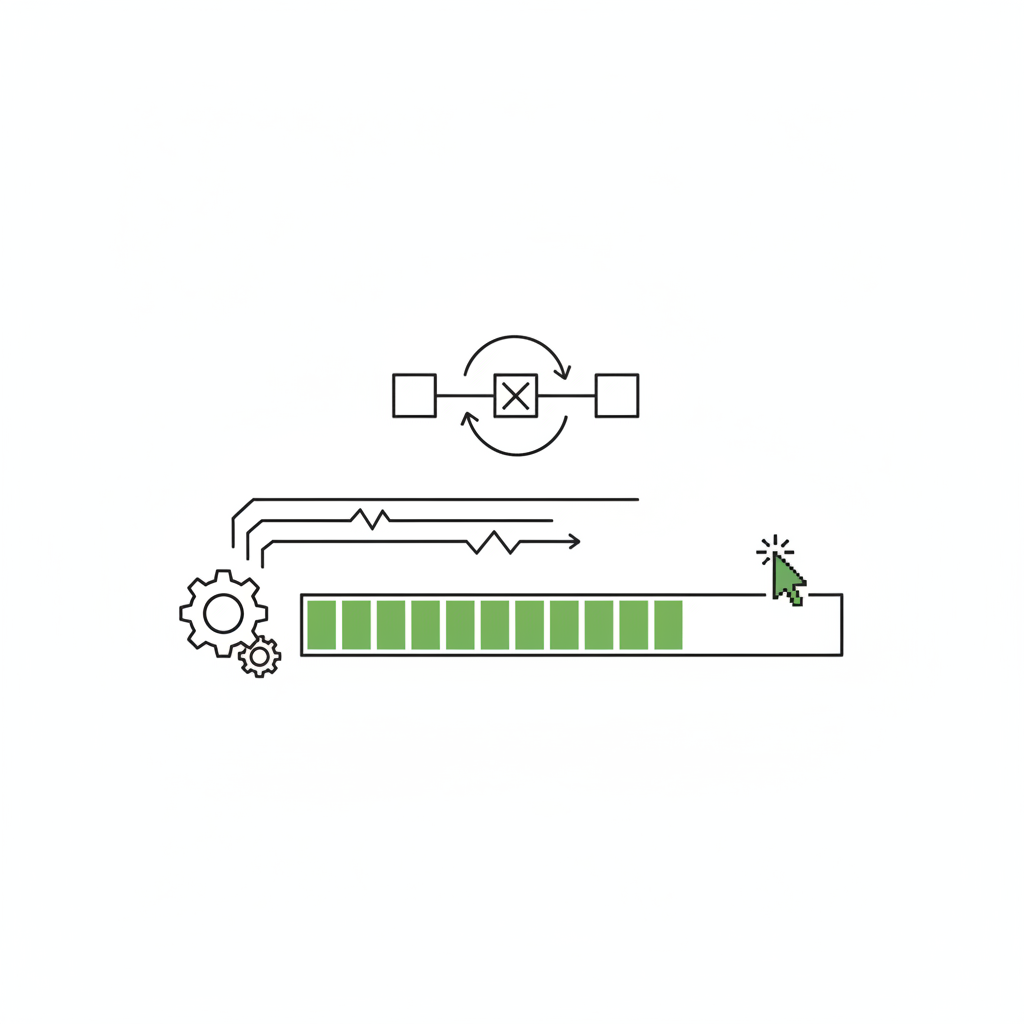
The trend reports are obsessed with the all-autonomous company. But you run a professional services firm, and your enemy isn’t a missing autonomous SDR.
It’s the coordination tax: the hours your team burns parsing transcripts, chasing status, and copy-pasting between four tabs. That tax shows up on no invoice and quietly eats your margin.
There’s a distinction worth keeping straight here. Generative AI drafts the email. Agentic AI executes a multi-step process, per IBM, and the profitable version for an agency is that second one kept on a short leash.
The data backs the skepticism. McKinsey reports that AI adoption is widespread, but few organizations actually capture bottom-line impact from it (McKinsey, The State of AI). MIT’s 2025 NANDA analysis, as reported by Fortune, puts the failure rate for measurable P&L return from generative AI at about 95%, and the gap there is installation and integration, not model quality (MIT via Fortune).
So skip the headlines. The real P&L driver is the supervised workflow that reclaims the hours your PM loses to status updates, week after week. That’s where the money sits.
Where the autonomous business model breaks
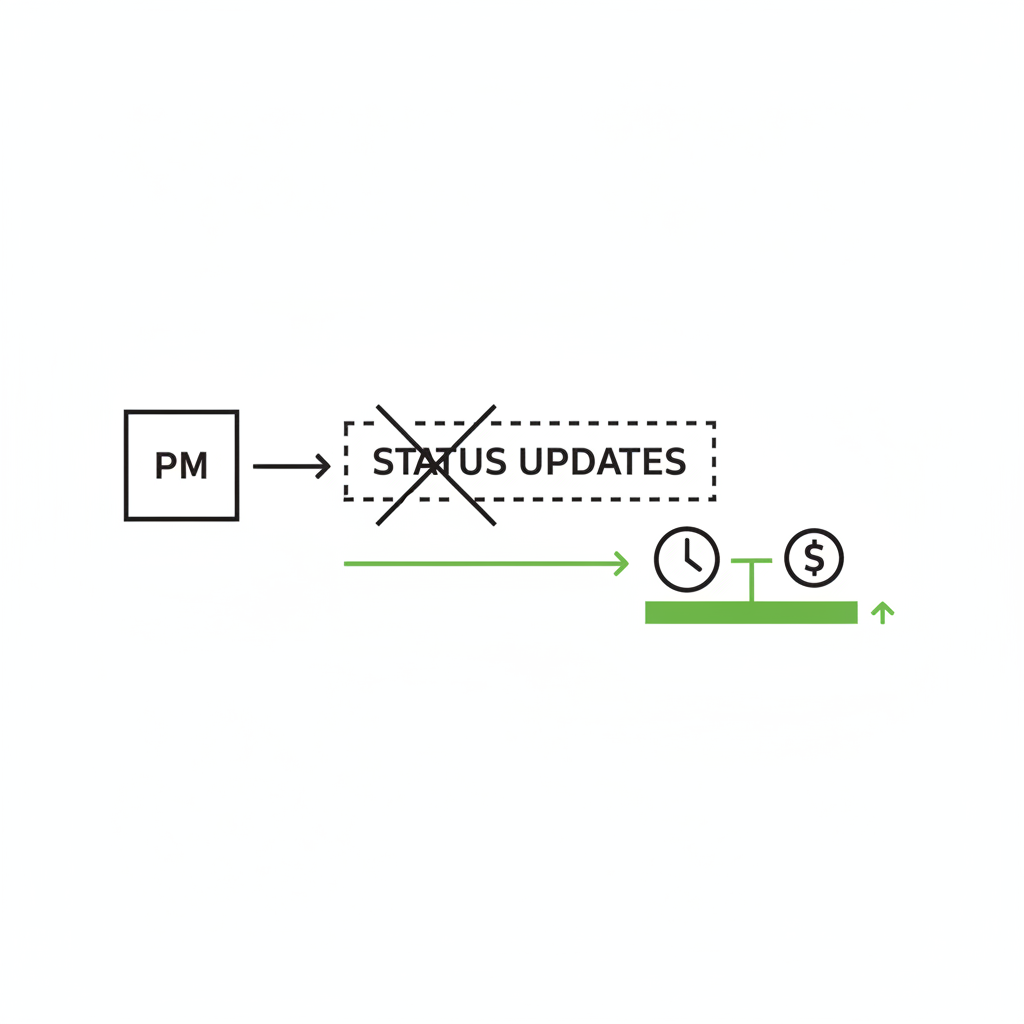
The loudest 2026 trend says replace your staff with autonomous agents that run the business while you sleep. For high-touch client work, that model breaks on contact.
It comes down to trust. Workers are interested, but they don’t trust the output yet. Pega’s 2025 survey found 57% of workers are inclined to use AI agents at work, while 33% cite worry about the quality of AI-produced work, and 30% don’t trust the accuracy of AI-generated responses (Pega research press release).
Even in enterprise, agentic programs are getting cut when the value isn’t clear. Gartner predicts over 40% of agentic AI projects will be canceled by the end of 2027 due to escalating costs, unclear business value, and inadequate risk controls (Gartner press release).
In agency land, the nightmare is always the same shape: an unsupervised agent emails a prospect enterprise pricing when they asked for the starter tier. Nobody prompted you to check, so nobody did. Trust gone in one send, and you only find out when the reply lands.
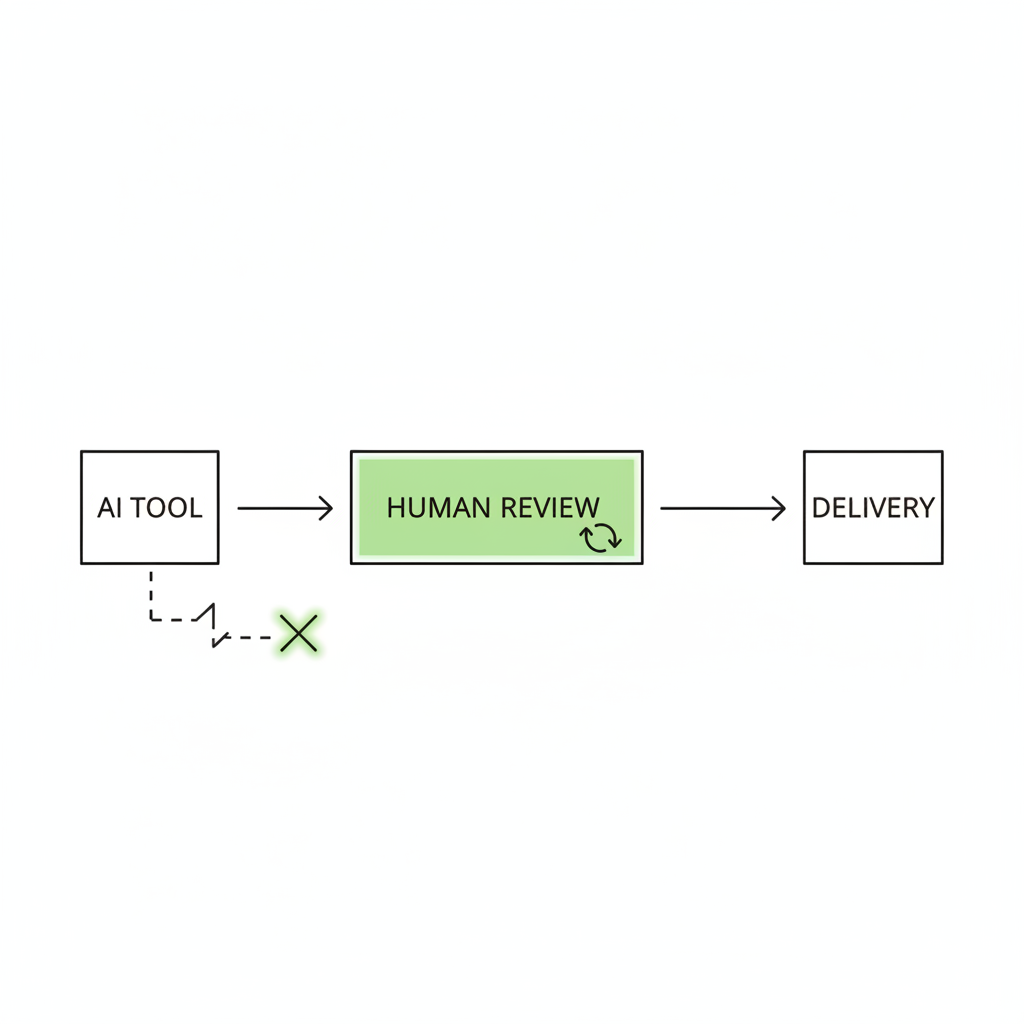
Which is why human-in-the-loop is non-negotiable. The AI gathers the data and drafts the response. You keep your judgment and your team. The co-pilot beats full autonomy for service firms every time.
Deterministic workflows tame the chaos
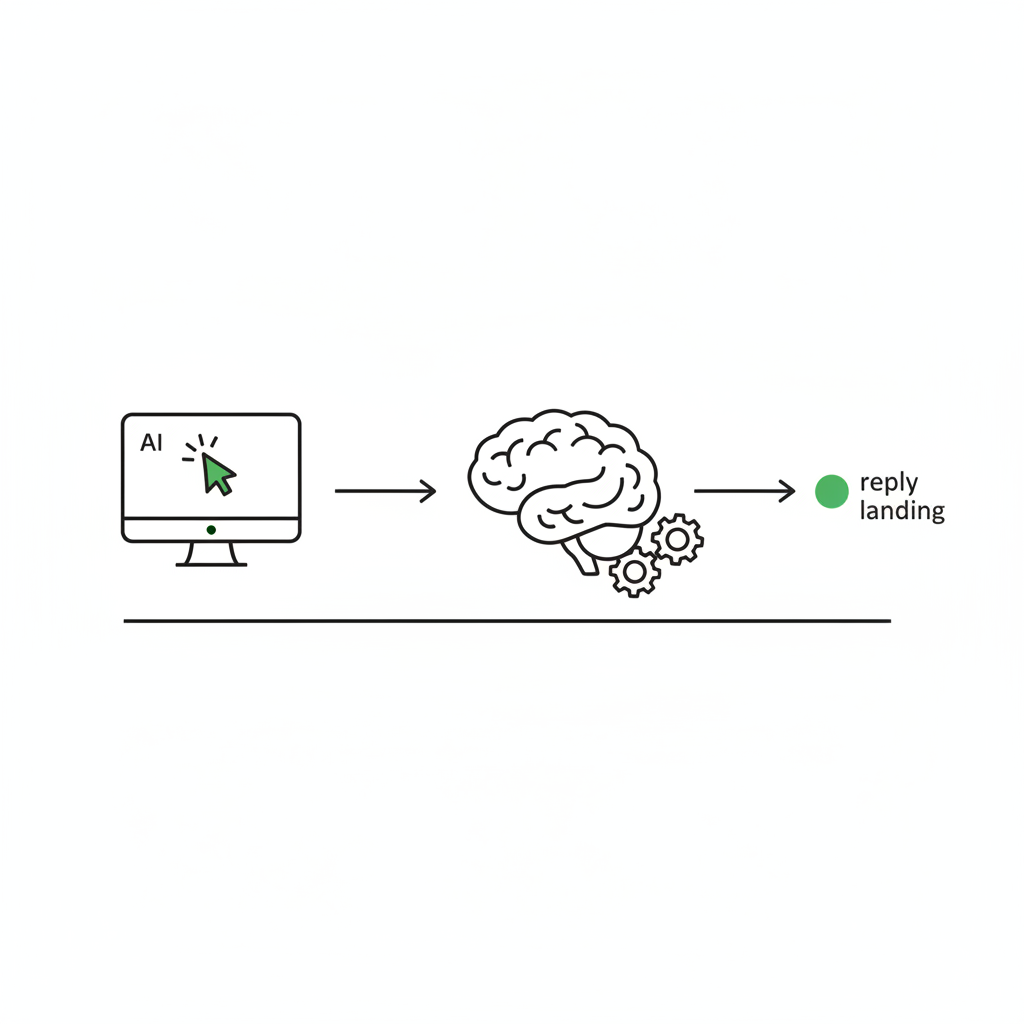
When you deliver a retainer, you need predictability: tight scopes and the same reliable output every single run. The trouble with “true” agents is non-determinism. They introduce variability, and variability breaks scopes.
The Fiddler AI team calls out the practical shape of this problem in production agentic systems, including prioritizing ROI over novelty and using hybrid approaches. Contrast two installs.
The losing trend is an autonomous copywriter that ships off-brand blog posts to a client before anyone reads them. The winning one is a deterministic client onboarding workflow that does the boring, repeatable setup in a single run:
- Deal closes in your CRM and fires the trigger
- Client folders and a project space get created
- Billing kicks off automatically
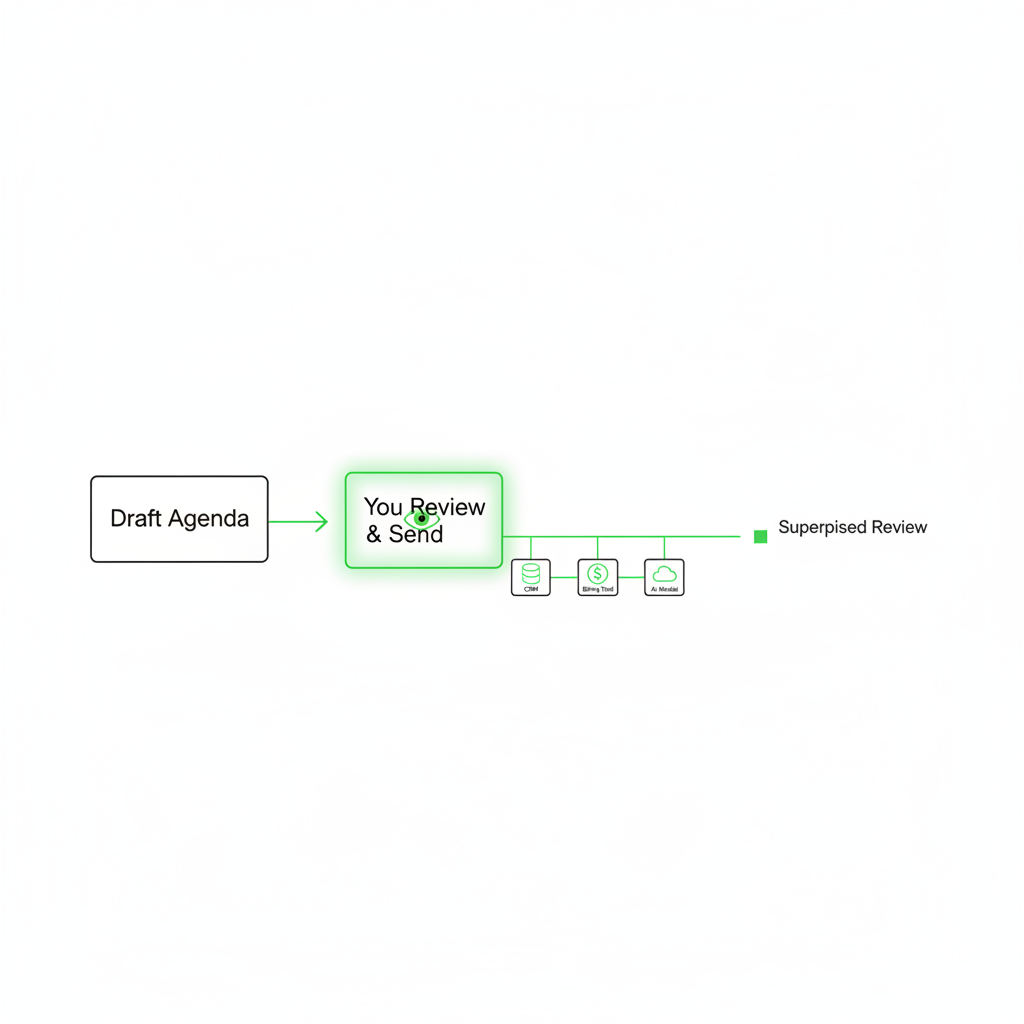
- A kickoff agenda drafts itself from the deal notes
- You review, then send
That chains your CRM, your billing tool, and a current model like Claude through Make, so you don’t have to become a Zapier engineer to wire it together. The supervised review is the adoption wedge. It’s one reliable thing, not a chaotic brain.
Roles are bundles, so break them down
The highest return doesn’t come from outsourcing your core craft. It comes from killing the work around the work: the parsing, summarizing, and scheduling that keeps your consultants from billing.
So look hard at a role you keep telling yourself you should “automate.” Take your account manager and list what they actually do across a week: discovery notes, proposals, kickoffs, status recaps, invoice prep, renewal nudges, the lot. That isn’t one job. It’s a bundle of workflows wearing a single title.
And that’s the move. Stop asking whether AI can replace the role, and start breaking the role into its granular workflows. Install one, then the next.
Start with proposal generation. A draft that normally takes a meaningful chunk of a strategist’s day becomes a supervised review once an agent does the assembly. Here’s the template math, with your own numbers plugged in:
| How you get it | Proposal workflow | |
|---|---|---|
| Annual salary of the role | Strategist drafting proposals | $[salary] |
| Hourly rate | Salary ÷ [annual work hours] | $[hourly rate] |
| Hours per run by hand | Pulling notes, drafting, formatting | [hours per proposal] |
| Value per run | Hours saved × hourly rate | $[value per run] |
| Annual cost by hand | Value per run × [proposals per year] | $[annual cost] |
| Annual investment | Setup amortized + running cost | $[annual investment] |
| Net annual savings | Cost by hand − investment | $[net savings] |
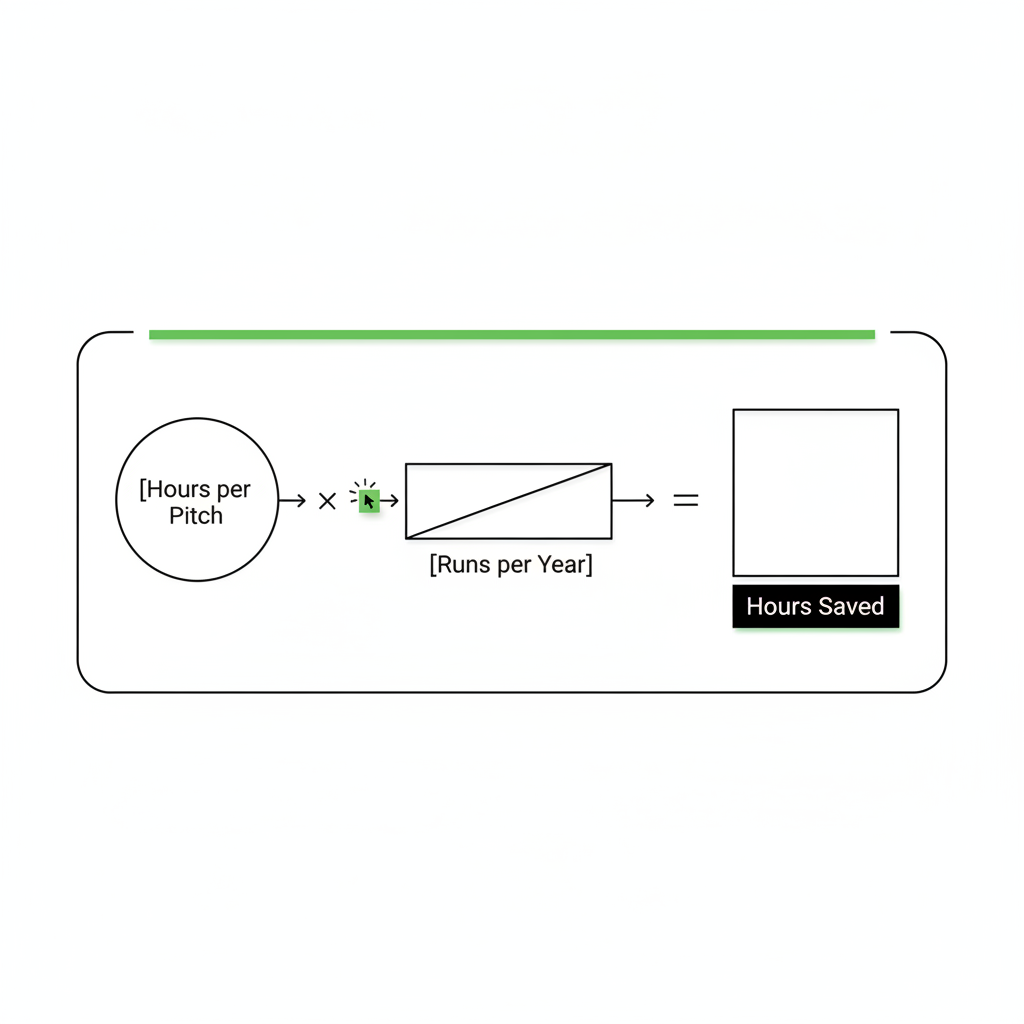
| Hours reclaimed | Hours saved per run × [runs per year] | [hours per year] |
That’s illustrative, not a measured client result, so plug in your own salary, run count, and hours. It’s the kind of proposal workflow that reclaims hours per pitch, and the same model lives in our workflow ROI calculator. After install, every workflow gets a simple scoreboard: runs per month, hours reclaimed, and how often a human had to fix the output. Impact measured per workflow, never on vibes.
Observability is how you protect the relationship
The flat rule: if you can’t audit how an agent reached a conclusion, you can’t put its work in front of a paying client. Observability means you can trace each step the agent took, which is how you catch a hallucinated deadline or a missing deliverable before it lands in a monthly recap.
An autonomous tool with no audit trail is a sealed kitchen that plates dishes you’ve never tasted and sends them straight to the table. That describes a lot of the “autonomous” tooling being sold to agencies right now.
Honestly, the part founders push back on hardest, then come around to, is this: adding human review speeds delivery, because you waste far less time un-breaking mistakes downstream.
| Black-box autonomy | Supervised workflow | |
|---|---|---|
| Who reviews | Nobody, until a client complains | You, before it ships |
| Error caught | After the recap goes out | At the draft stage |
| Your reputation | On the line every run | Protected, faster output |
What to do monday morning
None of this is about headcount reduction. It’s about compounding your existing people: the same consultants billing more, because the busywork around their work now runs on a workflow. That’s how revenue per employee climbs without new hires.
“We stopped drowning in the admin and got back to the work clients actually pay us for.”
Agency founder
So Monday morning, write down every task where you copy-paste between tools, and count them. That list is your coordination tax and your install queue. Your only job is to pick one, put a scoreboard on it, and let it pay for itself before you add the next.
If you want a head start, Get your roadmap. It’s a free AI roadmap. You answer 12 quick questions. Then Mo researches your business and competitors and builds a personalized 90-day plan of the workflows worth installing, reviewed by a human, in your inbox within the hour.

Faq
So how is this different from my ChatGPT subscription?
Your ChatGPT drafts one thing when you ask it to. An agentic workflow chains the whole multi-step process together, per IBM: it pulls the notes, assembles the deliverable, and routes it, then a human approves before anything ships. One is a writing tool. The other runs the assembly line.
Can I actually trust an AI agent with something a client will see?
Not on full autopilot, not yet. Workers still cite concerns about trust, accuracy, and quality in current agent use (Pega research press release). Keep a human in the loop on anything a client sees, and you get the speed without betting your reputation.
Which workflow do I install first without breaking everything?
Start where the work around the work is heaviest, usually proposal drafting or client onboarding. Both are repeatable, both leak hours, and both stay deterministic. See AI use cases you can steal today for ready-to-install ideas.
Won’t adding a review step just slow me down again?
It speeds you up overall. A quick check at the draft stage catches errors before they reach a client, which means far less time un-breaking mistakes later. The human checkpoint is what makes the output safe to ship and faster to deliver.