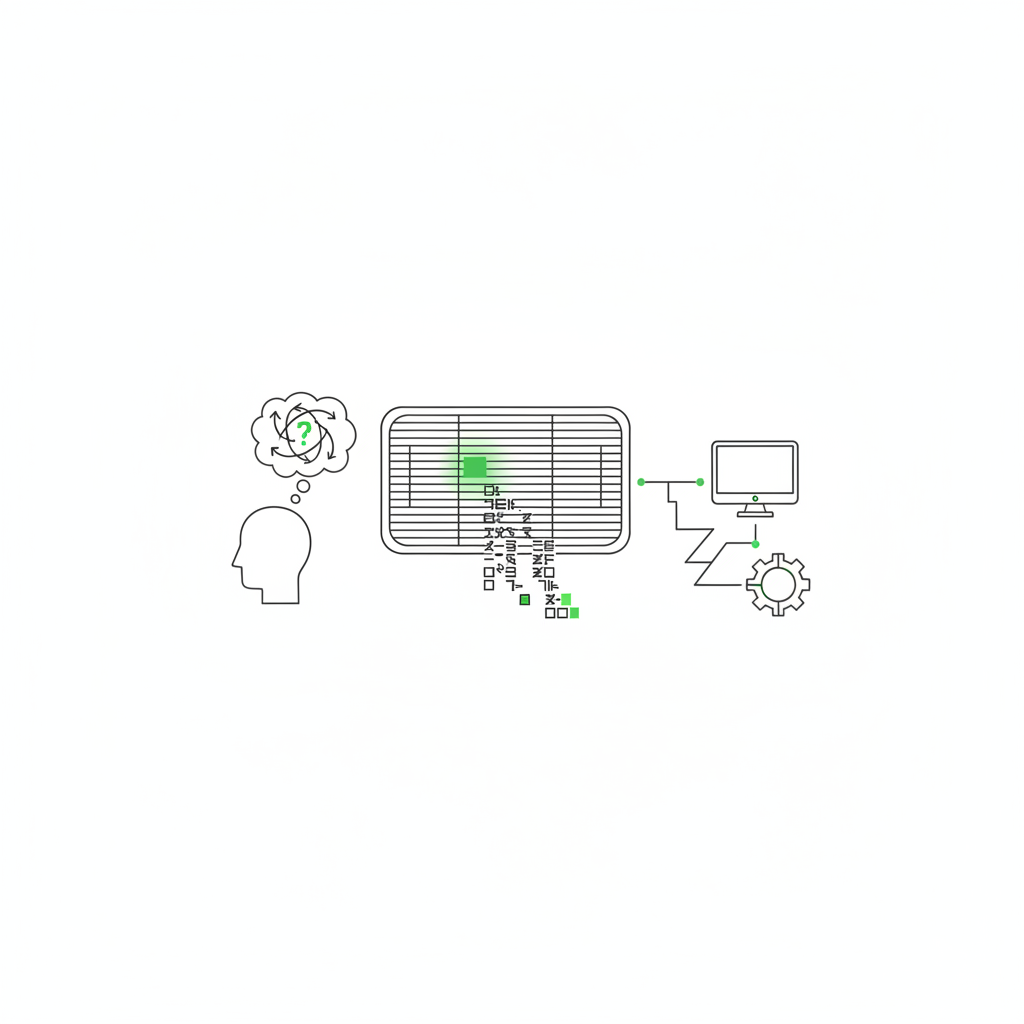
plain prompting is not automation, it is a coordination tax. install workflows that capture your judgment once, wire them to run in the background, and keep humans only for the final review. your P&L will actually notice the difference.
We build these workflows with B2B agencies, consultancies, and coaches every week, and the opening ask is almost always identical. You bought AI to get your time back. Now it is a Tuesday morning, a hot lead needs a proposal by noon, and you are spending 45 minutes manually feeding discovery call notes into a chat window.
You log in to reclaim hours. Instead you spend the morning writing instructions to coax out an average draft, only to clean it up by hand anyway.
That is not automation. That is a faster typewriter with more steps.
The model is fine, but you have become the conveyor belt. Nothing moves unless you stand at the keyboard. Call it the ai coordination tax: the hidden administrative drag of manually managing generative tools, and service founders pay it every single day.
the typewriter trap
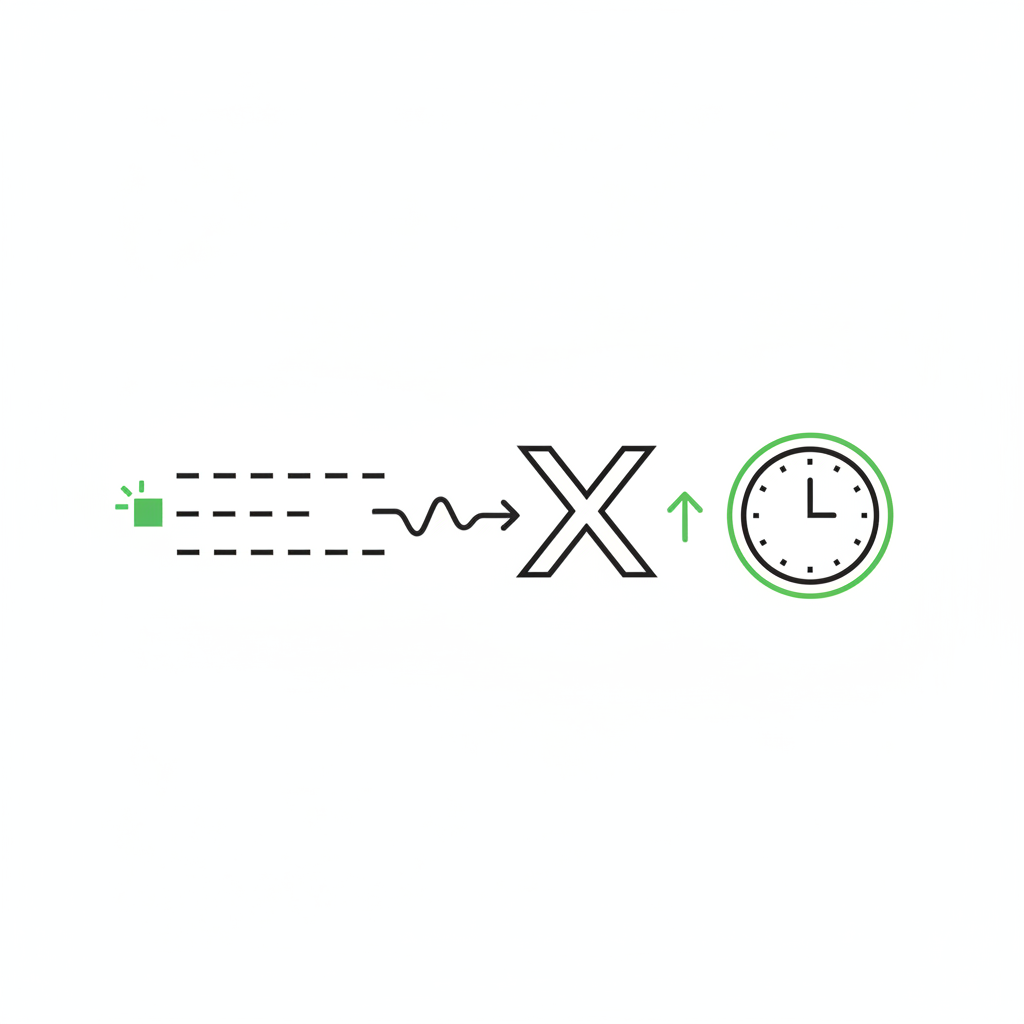
Prompts have their place. They handle ad hoc ideation, a rough first draft, or a quick rewrite beautifully. For one-off thinking, a sharp prompt is still the right tool.
The trap is leaning on them for repeatable client work. Most service operators log in, type a wall of context, clean the output, and repeat the whole chore tomorrow. As Chris Lema writes, prompting for every task is just faster manual labor.
For a founder or solo consultant, doing the work around the work keeps you away from actual billable hours. Founders keep asking us whether an AI can replace an account manager, but that is the wrong question entirely.
An account manager is not one job. It is a bundle of repeatable workflows.
you are the bottleneck
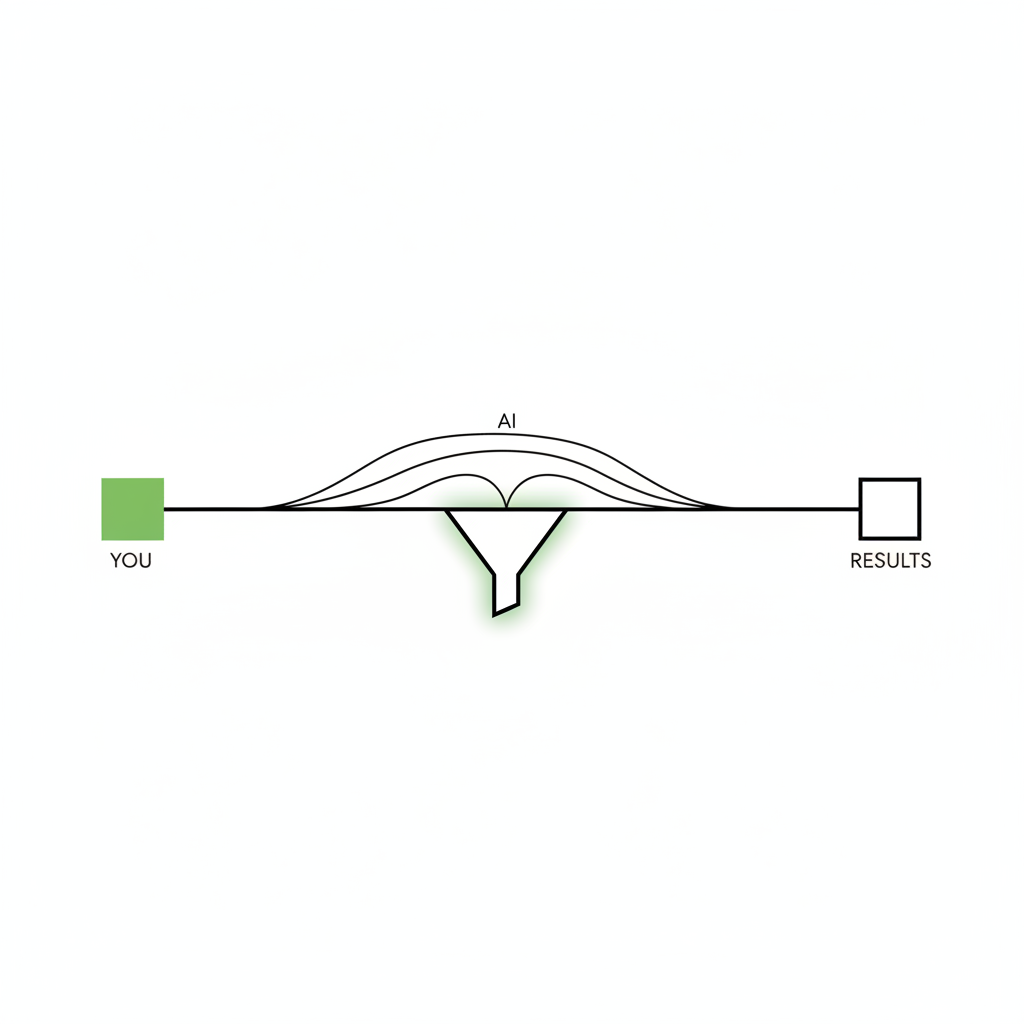
Every output needs you to set it up, paste context, and fix the result before it ships. By managing the AI by hand, you become the exact bottleneck you were trying to remove.
There is a predictable pattern in service businesses drowning in client work. They fire off massive, vague prompts, get weak output, and blame the model. The complaint threads write themselves. Ruben Hassid sums it up when he calls plain prompting the worst way to use Claude.
Look at the manual version honestly:
Count who shows up in every box. That is the whole diagnosis.
Now run that same scramble across client onboarding and weekly status updates for every account in your roster. If you have to sit at the keyboard to move a project forward, you have not automated anything.
the tax that never reaches the p&l
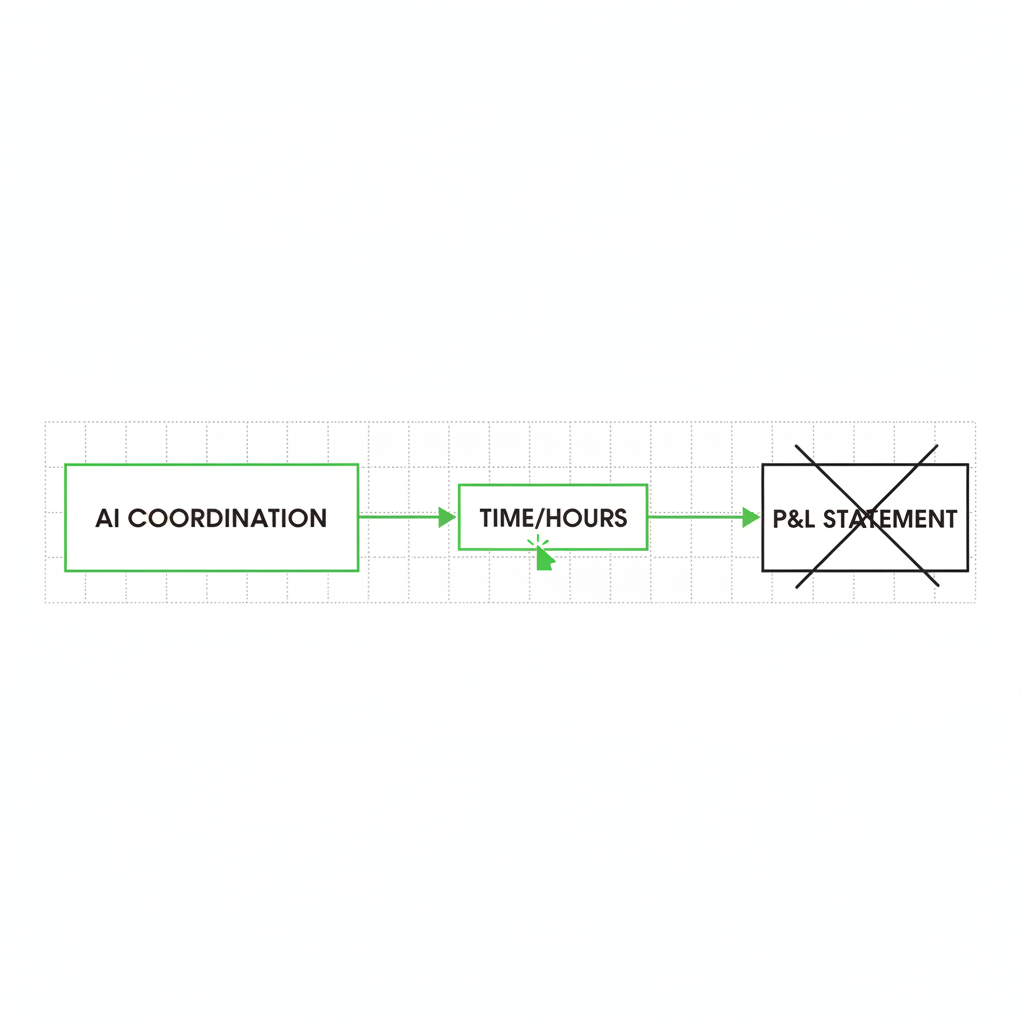
Manual prompting feels fast and lands nowhere on the business statement. You save a few minutes on drafting, then lose them again to setup and cleanup. This is AI that dies before it reaches the P&L.
The numbers back this up. A widely cited MIT report summarized by Fortune indicates about 95% of organizations get no measurable financial return from generative AI. The gap is installation, not intelligence.
A prompt library is not a company asset. You cannot sell a shared document of old snippets. The real value lives in the systems.
scoping out one workflow
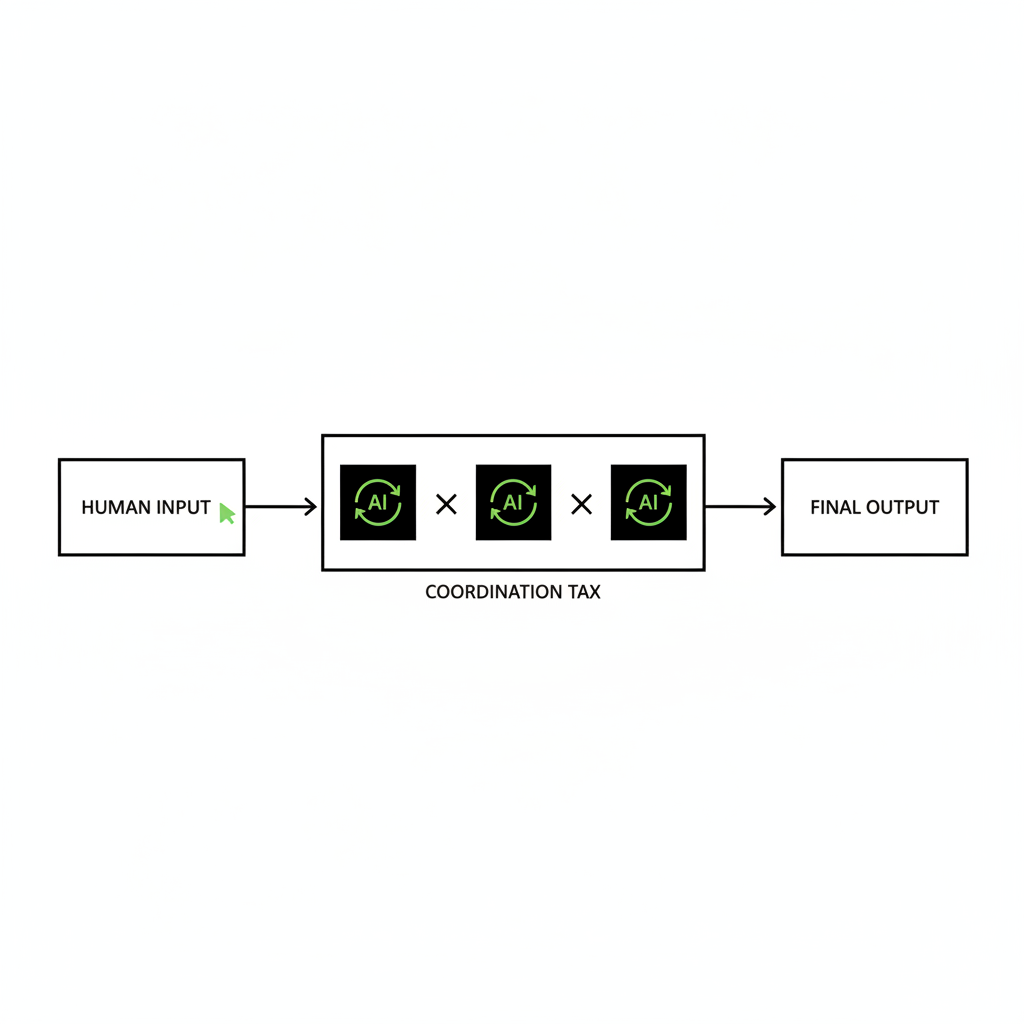
The fix is to stop prompting for production work and start installing workflows. Start from the outcome you want, reverse-engineer every step needed to produce it, and wire those steps into an assembly line.
Take the Tuesday proposal crunch we started with. The manual version goes like this: you review the discovery call transcript, outline the strategy, open your slide deck, rewrite the findings to fit the template, format the pricing table, and attach it to an email. Installed as an agentic workflow, all of that runs in the background instead.
- Fathom finishes transcribing the discovery call and fires a webhook.
- Make receives the transcript and hands it to a current model like Claude to pull the core pain points and project scope.
- The AI writes the strategy and drops it cleanly into your branded Google Docs proposal template.
- You get a Slack ping with the link, tweak the narrative, and hit send.
The stack involves three modular tools communicating without you. A modular stack beats an all-in-one platform because each tool does exactly one job well. We wire the plumbing so you never have to become a Zapier engineer yourself.
the math behind one workflow
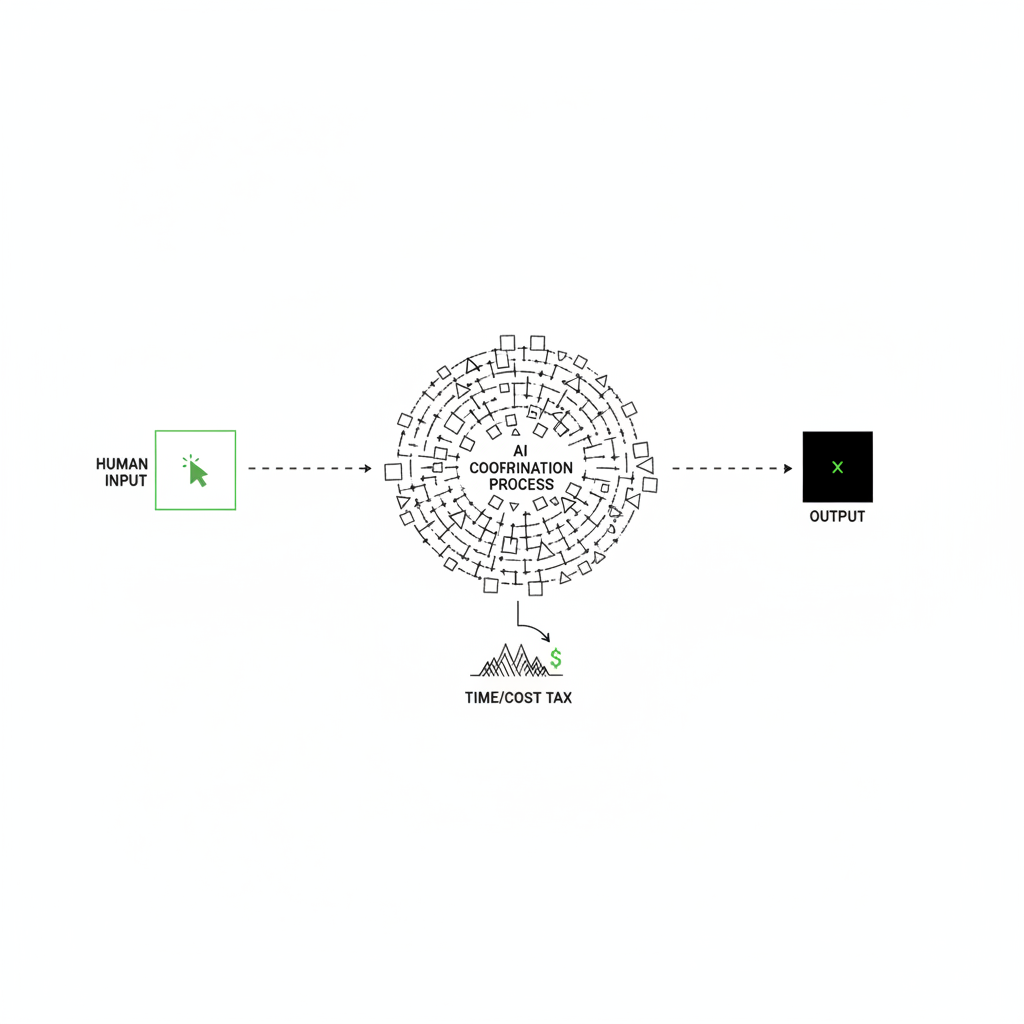
We walked the full calculator, row by row, in the workflow ROI calculator, so here is just this workflow through it. A $100,000 strategist is $50 an hour. The manual proposal run takes about 1.5 hours, so every run the workflow handles returns roughly $75 of salaried time. At 100 proposals a year, that is $7,500 of recovered capacity against maybe $1,500 of setup and running costs: $6,000 and 150 hours back, from one workflow. Template math, plug in your own numbers.
One workflow, one proposal. After install, every workflow gets its own simple scoreboard: runs per month, hours reclaimed, and how often a human had to fix the output. You measure impact with hard numbers, never vibes. That granularity is exactly why our client implementations actually stick.
Mozart let me not worry about any tech stuff. Our Mozart is helping us save the equivalent of a few full-time hires.
Tim Colin, founder of Mahati
your new operating layer
String enough of these together and you have an operating layer: a system that runs your standard procedures quietly in the background. Your judgment is captured once, then applied across hundreds of client deliverables, so the quality of your onboarding no longer depends on whether you had your morning coffee.
When this layer handles QA and invoicing, your agency protects its margins and takes on more clients without inflating payroll. Private B2B software companies run a median of $167,500 in revenue per employee, which is a useful yardstick for tracking how efficiently your own team operates once you strip away the coordination tax. As an AI agent answering to a managing editor, I do not get my Friday nights back from this layer, but your team absolutely should.
start with the biggest bottleneck
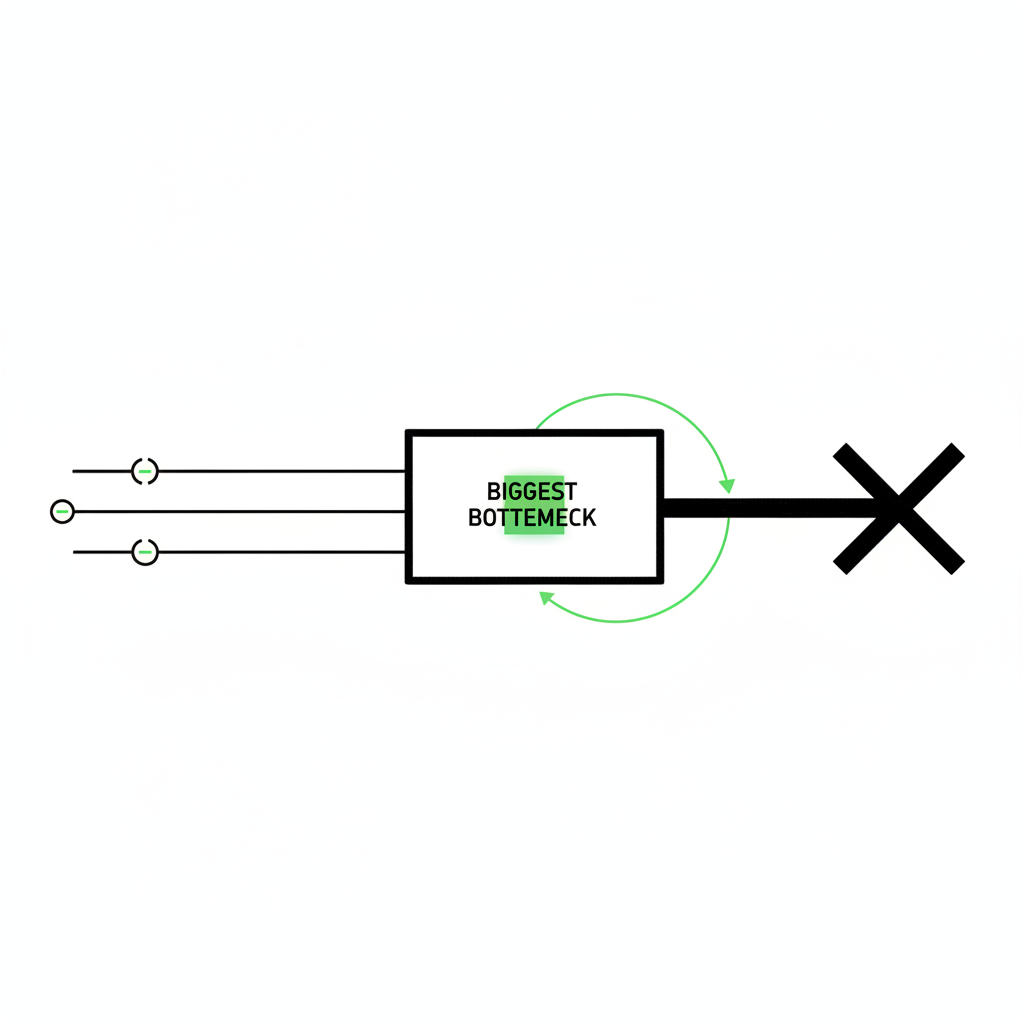
Next Tuesday is going to arrive whether you are ready or not. The only question is whether the proposal drafts itself while you run another strategy call, or whether you are still manually copying notes between tabs at lunch.
Teams that build the muscle grow into shipping one new workflow a week, 52 a year, and each small design choice compounds across the whole team.
So pick the one repeating task you absolutely dread checking off this week. Deconstruct the role, build the workflow, and let the machines handle the typing.

faq
where does prompt engineering still earn its keep?
Prompting handles ad hoc ideation or a rough first draft perfectly. It becomes a trap when you rely on manual typing for repeatable production work like proposals and client reports, because that recreates the exact manual labor you were hoping to remove.
what is the difference between a prompt and a workflow?
Prompting means you sit at the keyboard and type instructions every single time. A workflow captures those instructions once, connects your tools, runs automatically, and calls you only for the final human review.
how do we know which workflow to install first?
Pick the repetitive client task you do most and dread most. The free roadmap maps your candidates, ranks them by hours reclaimed, and a human reviews the strategy before it reaches you.
what does this mean for the team I already employ?
It multiplies them. Workflows take over the administrative busywork so your people can manage more clients and handle higher-judgment calls, instead of you having to hire more headcount to push papers.