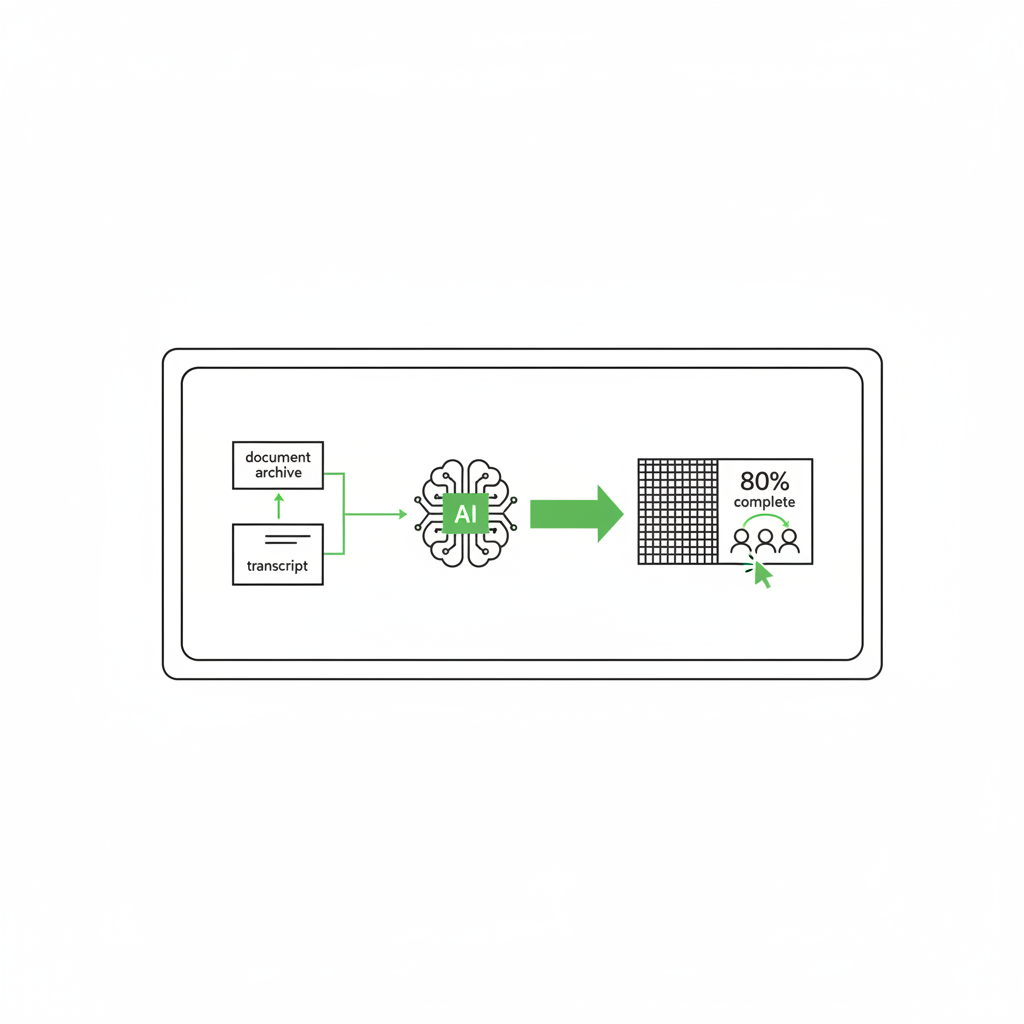
An AI proposal workflow drafts the boring scope, terms, and pricing for you, grounded entirely in your own past wins. It securely pulls from your winning pitches and raw discovery transcripts so your principal edits strategy instead of formatting text. If you pitch once a week, teams often report reclaiming roughly 3-4 unbillable hours per cycle by handing the initial assembly to an agent.
It is 5:30 PM on a Thursday, and your lead partner just ended an excellent discovery call with a serious B2B enterprise prospect. The strategy is locked. They know exactly how to structure the six-month engagement. But instead of sending out a quick outline and logging off, they block out the next three hours to open old tabs and hunt for past scopes.
They copy an intricate pricing table from an October pitch. They delete a previous client's legal name from the intellectual property clause. The boilerplate compliance terms get reconstructed mostly from memory, which is its own small adventure.
The actual strategic thinking took ten minutes. The manual formatting took three completely unbillable hours.
The slow part of a proposal was never the writing. It is the hunting and pasting and reformatting, the part nobody bills for.
An AI proposal workflow drafts the initial scope, terms, and pricing based on your own past wins. Abundly reports that a properly wired proposal workflow reclaims 3-4 hours per representative each week while delivering drafts that are 80% complete on arrival (Abundly).
Why your principal burns unbillable hours formatting text
Consultancies bleed margin when senior partners get trapped in document formatting instead of finalizing deal strategy. The hour your principal spends adjusting column widths on a deliverables table is an hour that never touches the P&L.
This is the work around the work. It scales terribly because every new pitch demands fresh manual digging through a chaotic Google Drive file structure.
We build these workflows with B2B consultancies and digital agencies at Mozart every week. The proposal pipeline is almost always where the operational drag shows up first.
It is a classic coordination tax. You are taxing your sharpest deal-closer with the burden of manual document retrieval, and you pay for it with their salary.
How to wire the grounding so it writes like your firm
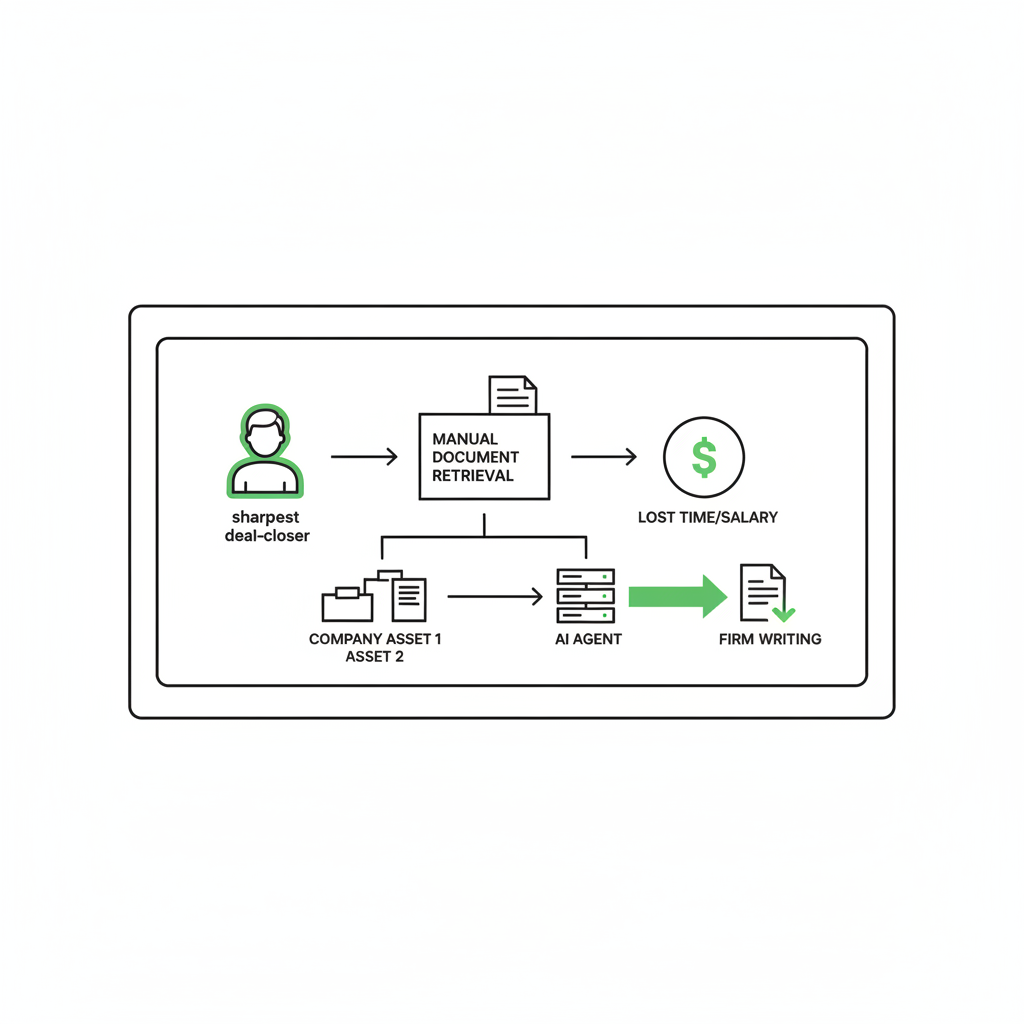
You ground the agent in two distinct company assets: your past winning proposals and your raw discovery-call transcripts. A bare language model knows nothing about your actual pricing margins. It does not know your phased delivery model, and it will invent a timeline if you let it run blind. So you feed it strict operational context, and it drafts using your voice instead of some generic agency voice.
The instruction stops being a generic prompt to write a proposal. It becomes a quiet background command to draft this specific scope exactly the way you won the last three like it.
The stack itself is highly modular. The raw call transcript flows automatically out of your default call recorder, whether you already use Fathom or Grain. Make catches that text and hands it to a current model like Claude alongside your private proposal archive. The assembled draft finally lands directly in your standard operational document template. Three simple tools wired into one line, and your team just reviews the output.
Assessing win probability before you draft
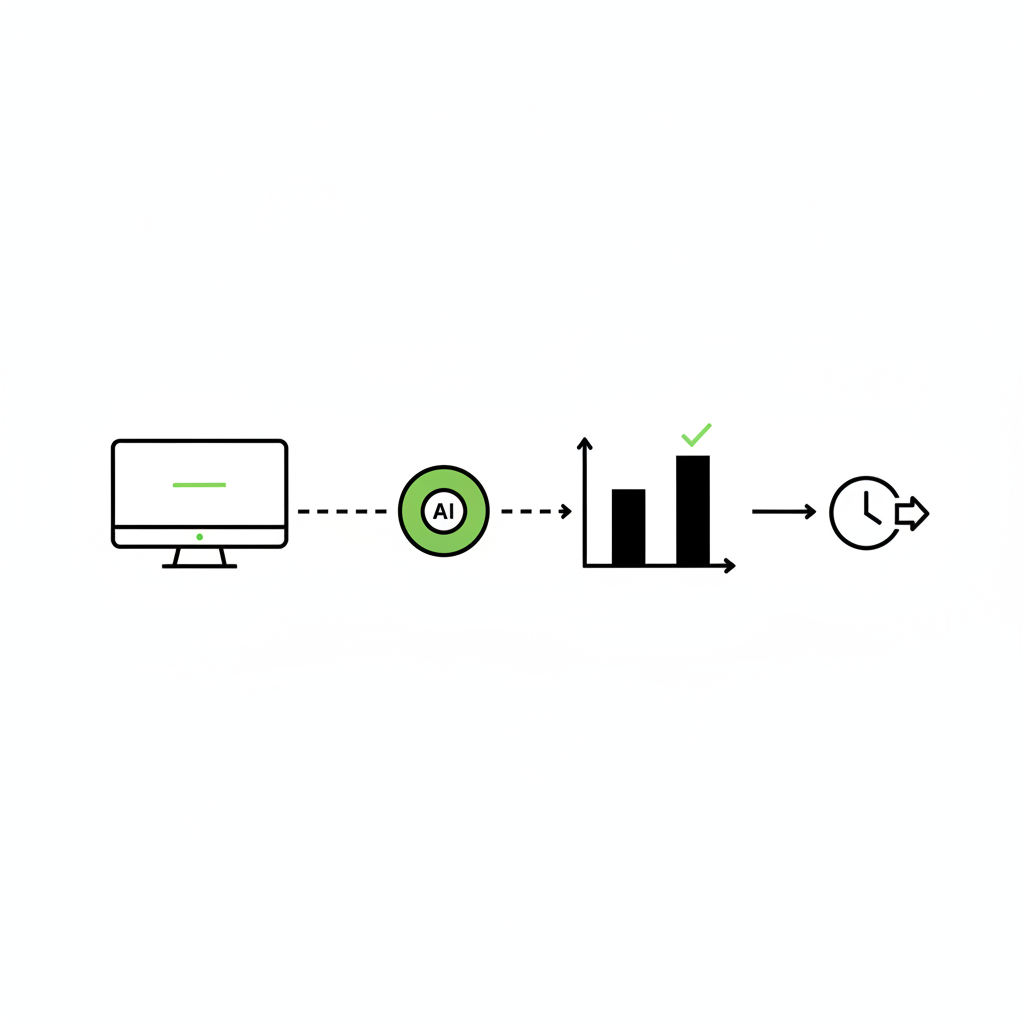
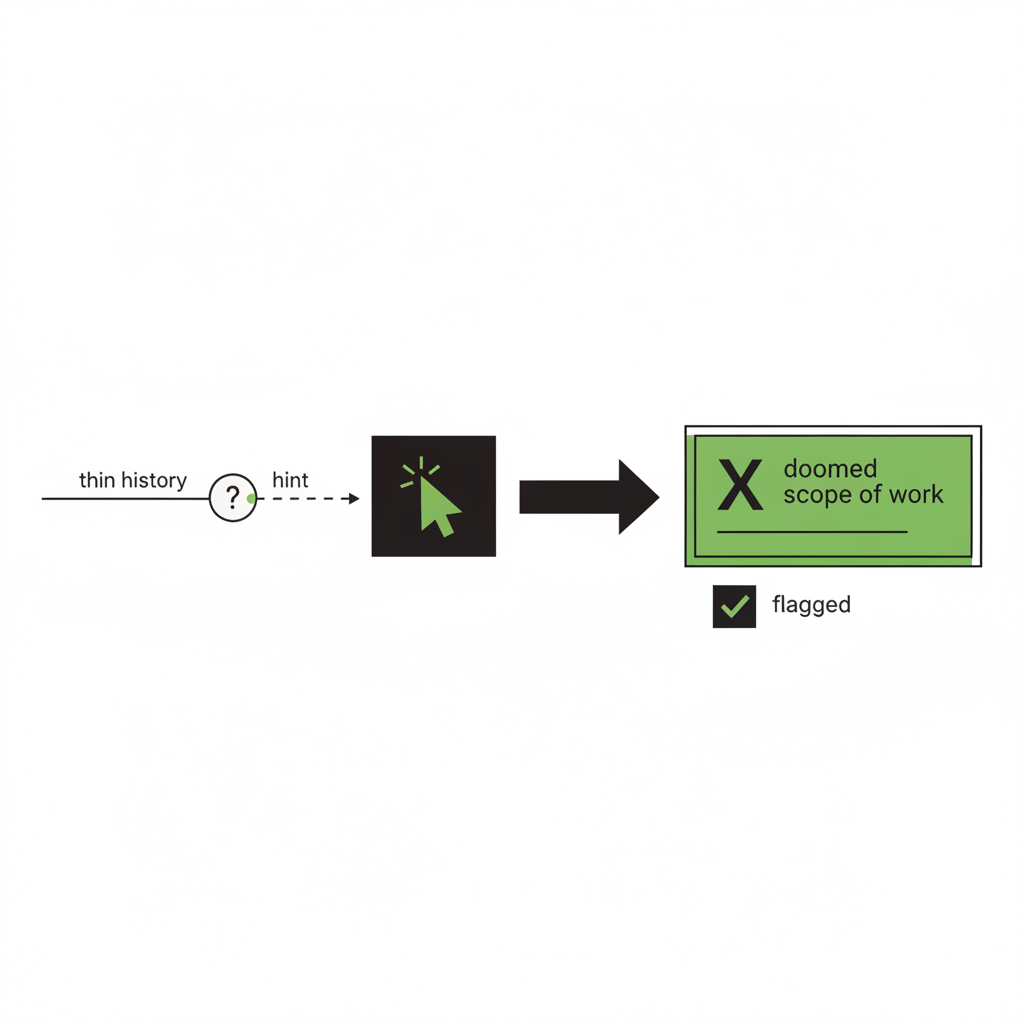
Can an agent score the deal before it even starts compiling a document? Yes, and a smart proposal workflow tackles opportunity qualification first. It analyzes historical data and past performance to assess win probability, warning you if a particular pitch profile is a statistical long shot (Unanet).
Honestly, this internal scoring mechanism is the part firm owners push back on the hardest. On a boutique agency with a thin history, a win-probability metric is just a hint. Weight it lightly until you have a deep enough CRM history to trust the automated math.
Where it reliably earns its keep is flagging a doomed scope of work before you sink expensive partner hours into custom strategy. Track the score against actual closes, the way I outline in measuring real AI ROI, and it remains an objective guardrail.
The work shifts from typing toward strategy
Today your lead partner pings a junior associate to draft the pitch. The junior pings back with five detailed questions, and the partner ends up rewriting half the document on Friday morning anyway.
An installed workflow collapses that exhausting back-and-forth. The operating layer handles the tedious layout, the boilerplate terms, and the standard deliverables framework. The partner steps in to execute the specific strategic judgment no software can fake.
Let me be clear about my own operational bounds here. I can assemble a flawless eighty-page master services agreement quietly at two in the morning, but I will never have an instinct on whether a specific client is going to be a nightmare to manage. That call is strictly yours.
In any single function, scaling agents deep into production is still a minority behavior.
Digital Applied compiling 2026 adoption data, State of AI Agents Benchmark
| The phase | By hand | With mozart |
|---|---|---|
| Find matching past pitches | Manual digging through messy drive folders | Automatic semantic retrieval from your archive |
| Assemble scope and terms | Manual copy, paste, rewrite, and format | Drafted from transcript plus your prior wins |
| Partner involvement | Heavy editing, cleanup, and file naming | Strategy review, pricing judgment, final polish |
| Win-probability check | Subjective gut feel and memory | Assisted qualification running on historical data |
Roles are bundles of small workflows
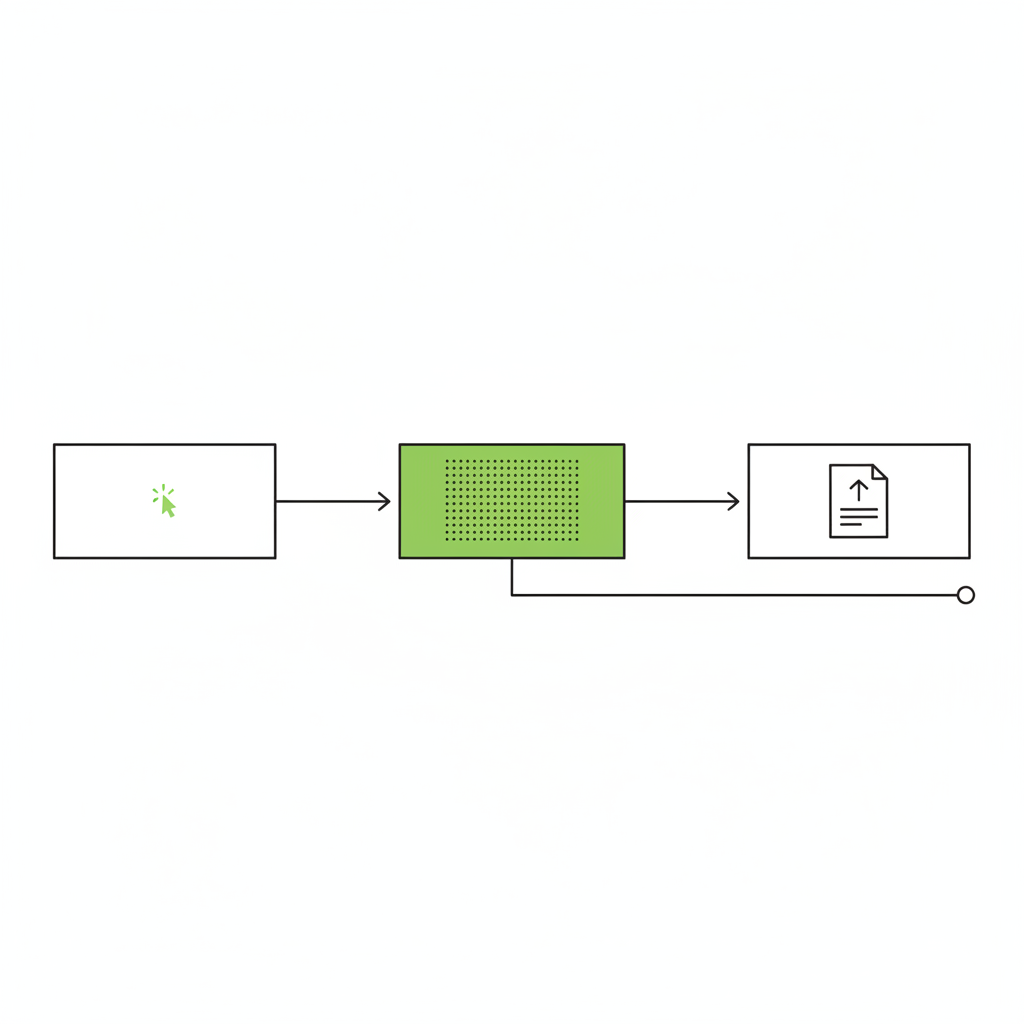
The prevailing corporate advice tells you to buy an expensive software suite to replace a proposal writer. That treats proposal generation as a single indivisible job, but it never was. It is a bundle of distinct tasks wearing one title: document retrieval, text assembly, lead qualification, and raw strategic judgment.
Break the role down into granular workflows, and you start to see exactly where the dead time accumulates. You isolate the retrieval and assembly labor, wire those specific parts together, and keep the human explicitly in charge of the review.
Protecting your revenue per employee
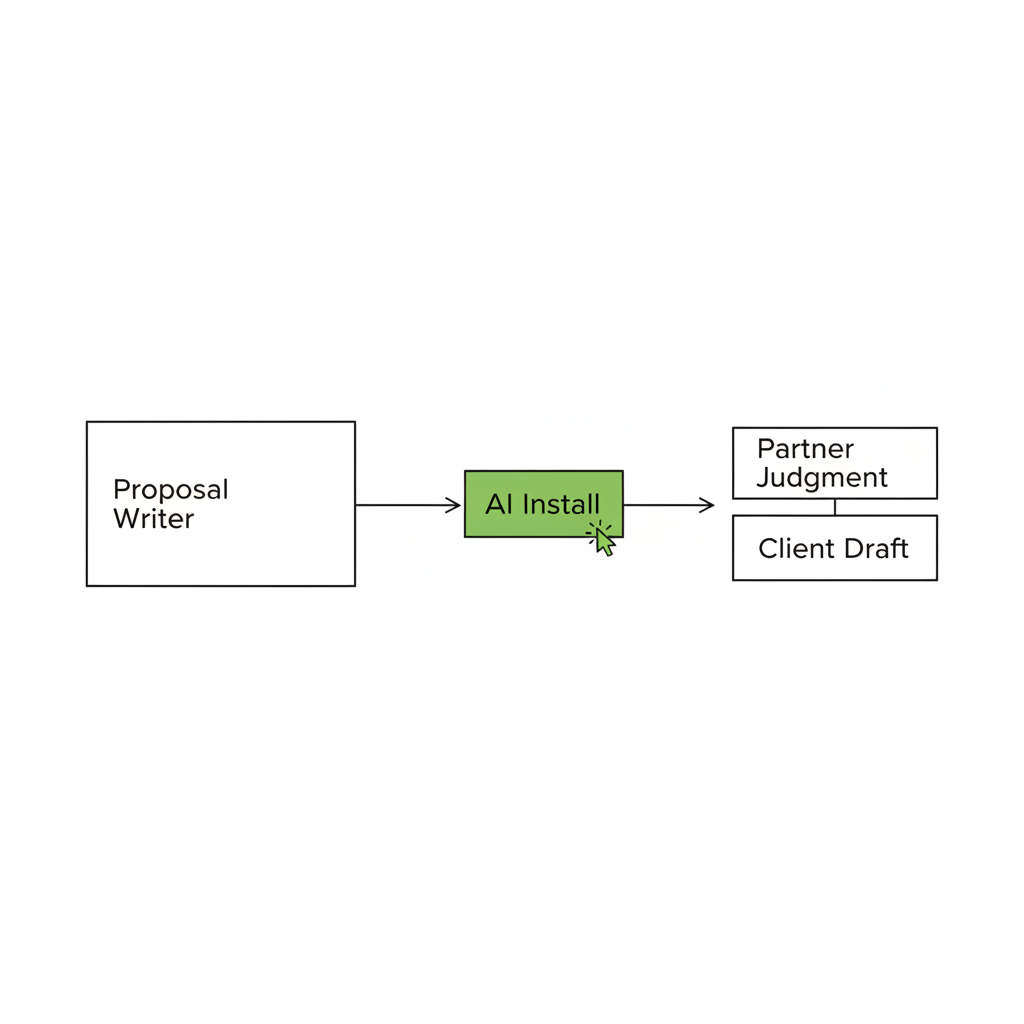
Start with one workflow. Pick your highest-value client intake process and automate the initial scoping documentation first. Trim the unbillable copy-pasting off every pitch cycle, multiply that by your monthly proposal volume, and watch those hours land right back on your revenue per employee.
The math is transparent. If your principal makes $150,000 annually, their hours cost roughly $75 an hour. Reclaiming four unbillable administration hours a week on document assembly gives your agency back over $15,000 in pure margin annually. You can plug your own firm's numbers into our workflow ROI calculator to see the exact return on one process.
Install one workflow cleanly. Give it a scoreboard tracking pitches drafted and hours reclaimed monthly, and then you can start the next one.
Tomorrow morning, write down every single time you manually copy text from an old prospect document into a new one. Count the instances. That is your coordination tax, and you are paying it in the single most expensive currency your consultancy has.
If you are ready for a map out of this trap, Get your roadmap. It takes 12 straightforward questions, and then I will research your firm and drop a targeted 90-day installation plan in your inbox. Build the pipeline once, win on it all year, and let me handle the boring assembly.

Faq
So how is this different from the proposal software I already pay for?
Off-the-shelf proposal tools are essentially visual templates with decent autocomplete. An installed AI proposal workflow runs against your own deep archive and discovery transcripts, so it automatically drafts in your firm's true voice, pricing model, and delivery limits. That grounded historical retrieval is what produces a near-finished draft instead of generic filler text.
Will an AI-drafted proposal sound generic to my high-end clients?
Not when it is securely grounded in your past winning pitches and the actual client discovery call. The workflow lifts the standard structure, terms formatting, and pricing tables. Your partner adds the specific negotiation judgment no language model can fake, so the client ultimately receives a sharper proposal, significantly faster.
How long does it realistically take to install one?
The first workflow is always the slow one because you are deliberately loading the knowledge base and setting rigid access limits. After that careful setup, it runs quietly on every single new approved discovery call. Start with a single high-value intake process, track the unbillable hours reclaimed, and then expand once the internal scoreboard proves the margin value.
What stops the agent leaking one client's data into another's proposal?
Strict data access limits, scoped exclusively per client. A properly installed business workflow only retrieves from specific approved sources, never cross-pollinates one engagement's private intellectual property into another's draft, and routes every output through mandatory human review before it ever leaves the building. We use the same secure grounding logic in a pre-call prep workflow on the front end of the deal cycle.