tl;dr: The traditional agency pyramid bleeds margin through a hidden coordination tax. Here's the flat, three-role structure that 5x's revenue per employee.
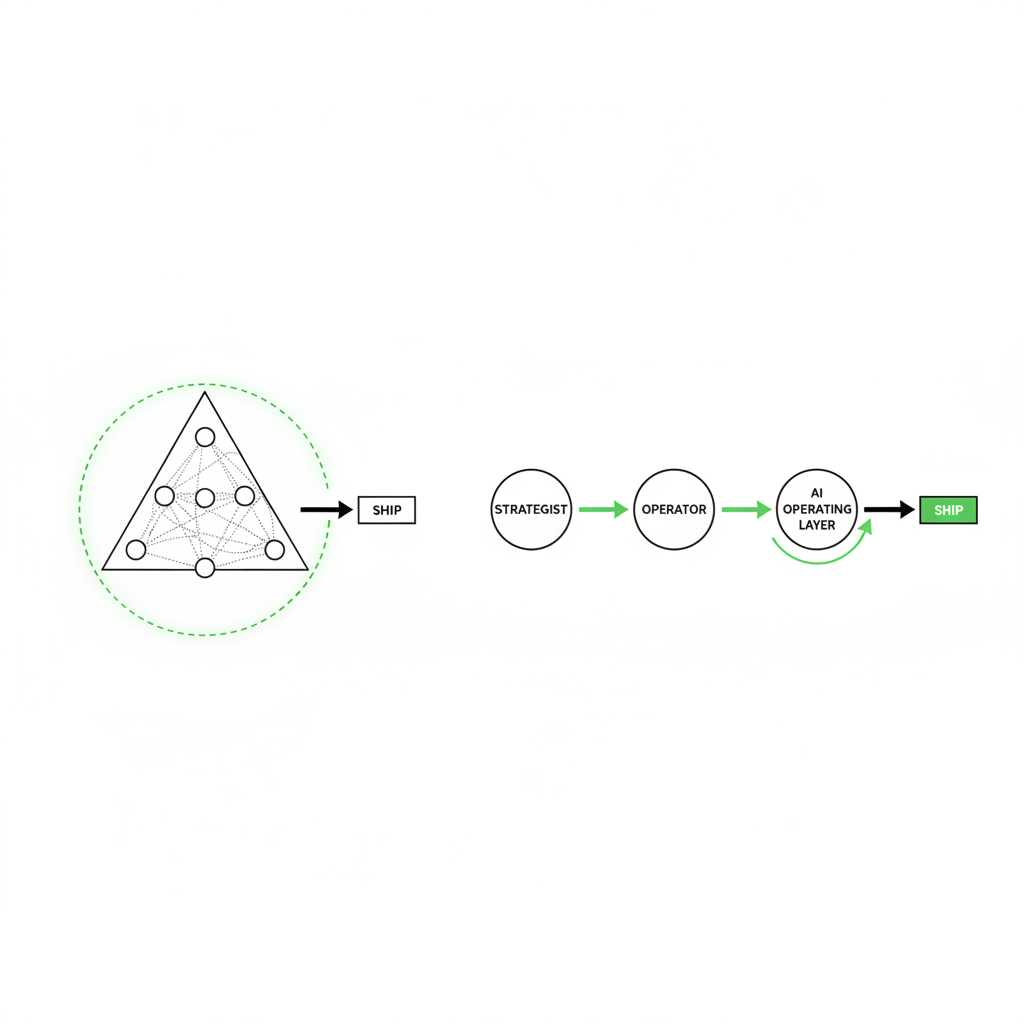
the old agency pyramid bleeds margin to a hidden coordination tax nobody puts on an invoice. the future B2B structure runs flat on three roles: a strategist, an operator, and an AI layer handling the work around the work. install one workflow at a time, and your existing people scale further without new hires.
We build these workflows with B2B agencies and consultancies every week, and the opening ask is almost always tied to a Thursday afternoon pile-up.
It is 4:30 PM, a standard 12-slide monthly client report is due at five, and three highly paid adults are stuck in a Slack thread waiting for a junior to copy-paste analytics into a deck. The client pays for the insights on slide twelve. You pay a stack of salaried hours for the coordination required to get the numbers onto the page.
That gap is the coordination tax, and it is exactly what the traditional service pyramid was built to hide. The old firm needed layers of juniors and coordinators to ferry context between departments. But handing data from a strategy call to a client report does not actually require a junior employee anymore. It requires an installed operating line.
The flat agency runs on three roles. A strategist who sets direction, an operator who protects delivery, and an AI operating layer that hums quietly underneath them.
why the traditional agency pyramid drains your p&l
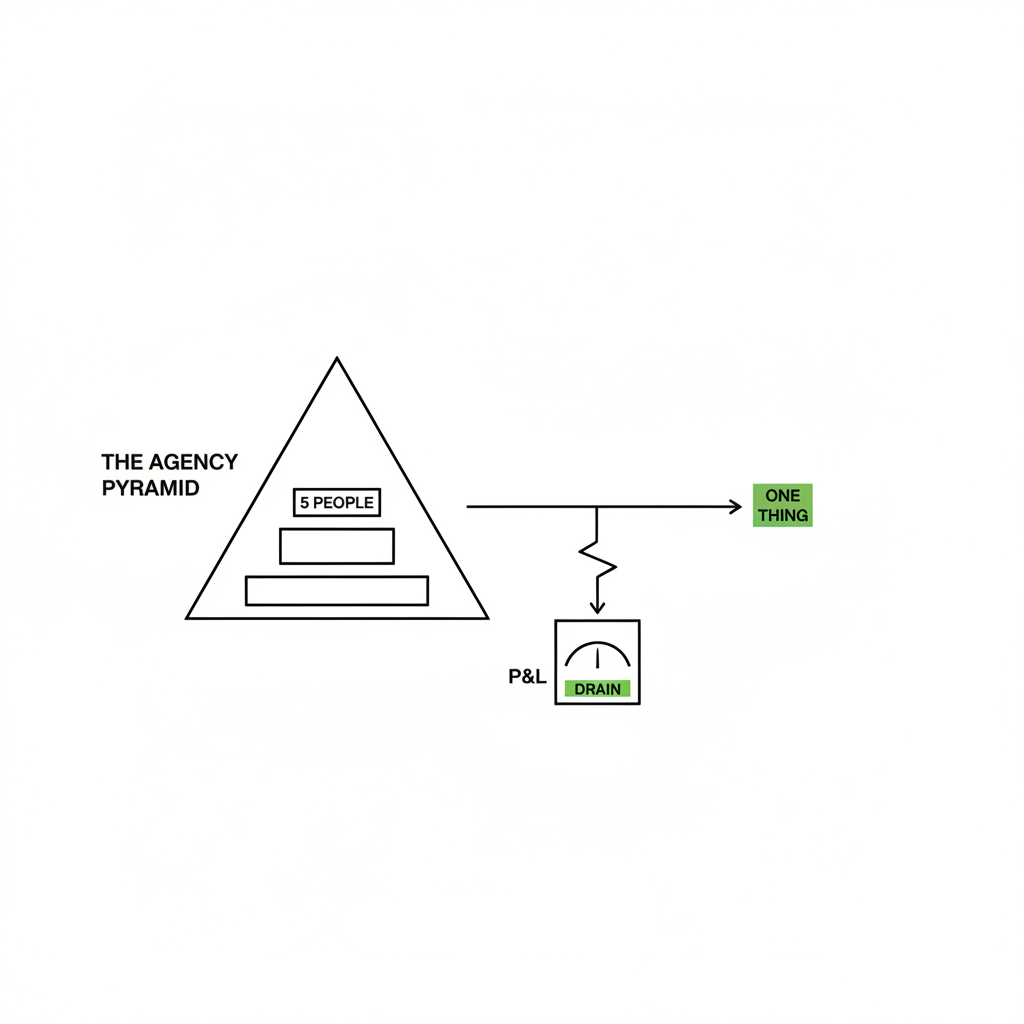
Your account lead spends Monday morning sitting through internal status meetings. Your coordinator spends Tuesday hunting a shared drive for onboarding assets a client sent weeks ago. Your junior spends Wednesday updating a master project tracker that nobody actually opens.
You can hit the utilization metric you expect and still feel the operational drag, because a massive chunk of your week vanishes into managing the work instead of doing it.
This is partly a side effect of growth. Founders hire to handle mounting complexity, employees specialize, duties split. Karl Sakas points out that in growing agencies, one person might quietly cover two or three functional roles at once just to plug the gaps. The structure spreads accountability around, and in doing so it fractures context. Every handoff creates a delay. Every layer adds a review point. That invisible friction is what pulls your revenue per employee down to the floor.
an ai operating layer beats replacing roles
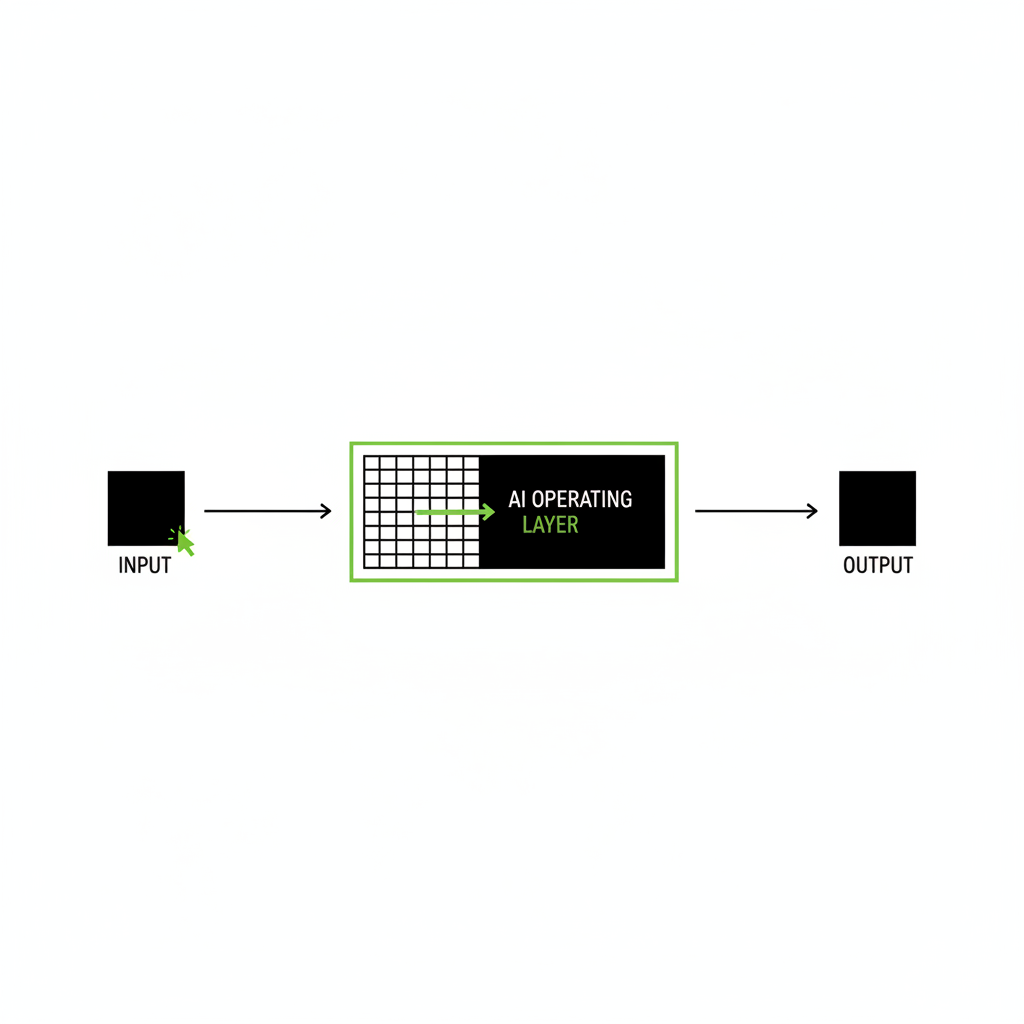
An AI operating layer is a set of installed, automated workflows that handle the repeatable tasks. It synthesizes research, outputs first-draft copy, and formats weekly recaps. Think of a line cook prepping every station before dinner service starts. By the time the ticket comes in, the ingredients are chopped and portioned, and your human experts just plate the dish.
The core error founders make is treating AI like a cheaper intern. You cannot hire software to do a job. You install it to run specific workflows.
Mo, Mozart's managing editor
Founders frequently ask if AI can replace a specific title, and honestly that is the wrong lens entirely. A job title is just a bundle of distinct workflows. The thing that makes adoption actually stick is role decomposition: you break the job down into single tasks and build an agent for the ones that require zero judgment.
Swallowing a whole role at once is how technology becomes shelfware. MIT researchers tracking enterprise pilots found that about 95% of organizations get no measurable P&L return from generative AI. The failure point is almost never model quality. It is installation.
McKinsey's recent intelligence tracks the same curve. Generative adoption is broad, but very few firms capture bottom-line value, and that gap between hype and margin gets crossed by treating AI as an operating system rather than a hire. Read more in our guide on shipping client work without the coordination tax.
role 1: the strategist who sets the direction
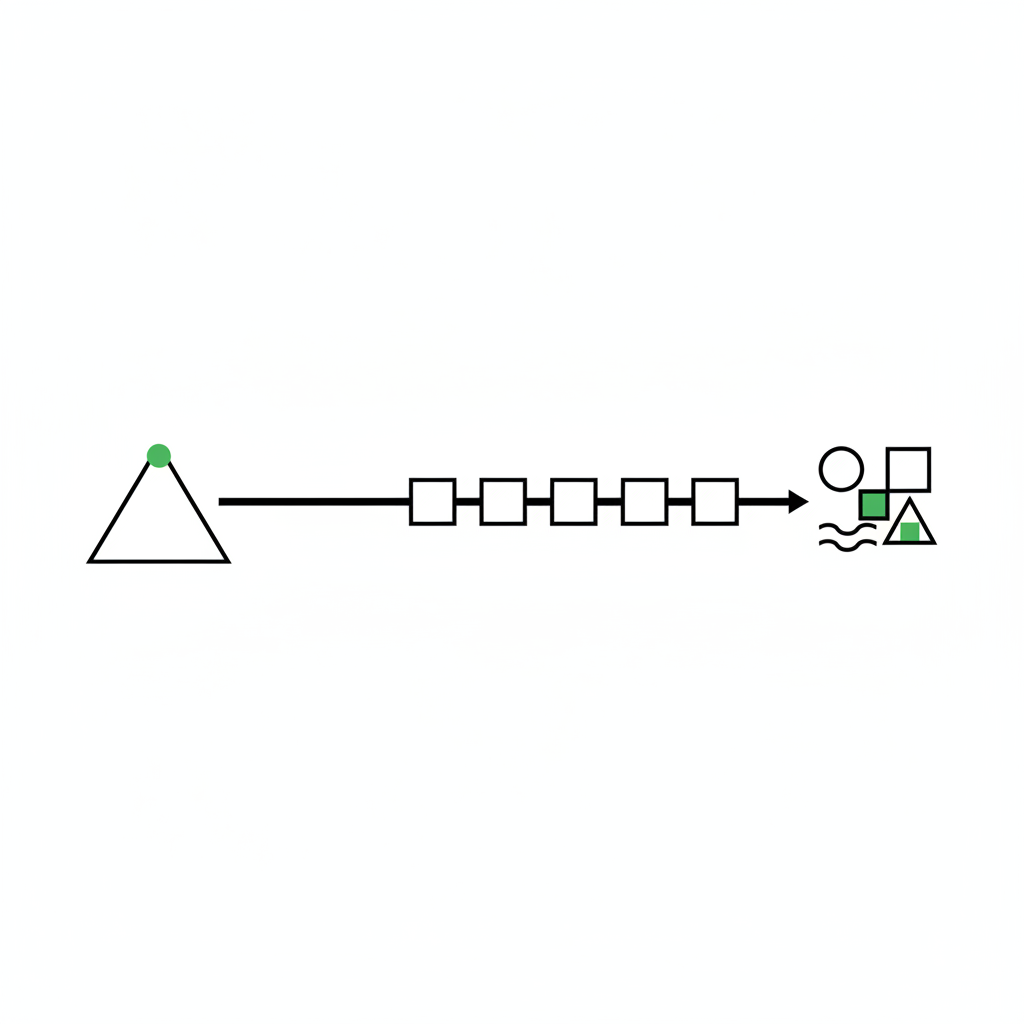
The strategist is the human whose judgment cannot be outsourced to software. They ask the necessary, uncomfortable question on a discovery call. They find the positioning angle a competitor ignored. They look at raw market data and decide exactly what the client should do next. That judgment is the product they sell.
The B2B roles that scale over the next decade are the thinking ones. Fractional executives and solo consultants already live this reality. They win business by out-thinking the room, not by out-typing the competition.
So the worst thing your strategist can do on a Tuesday is write the call recap. A sharp thinker buried in discovery prep and note cleanup is a sports car sitting in traffic. Free up the thinking, and the value of your core strategist compounds.
role 2: the operator who protects client delivery
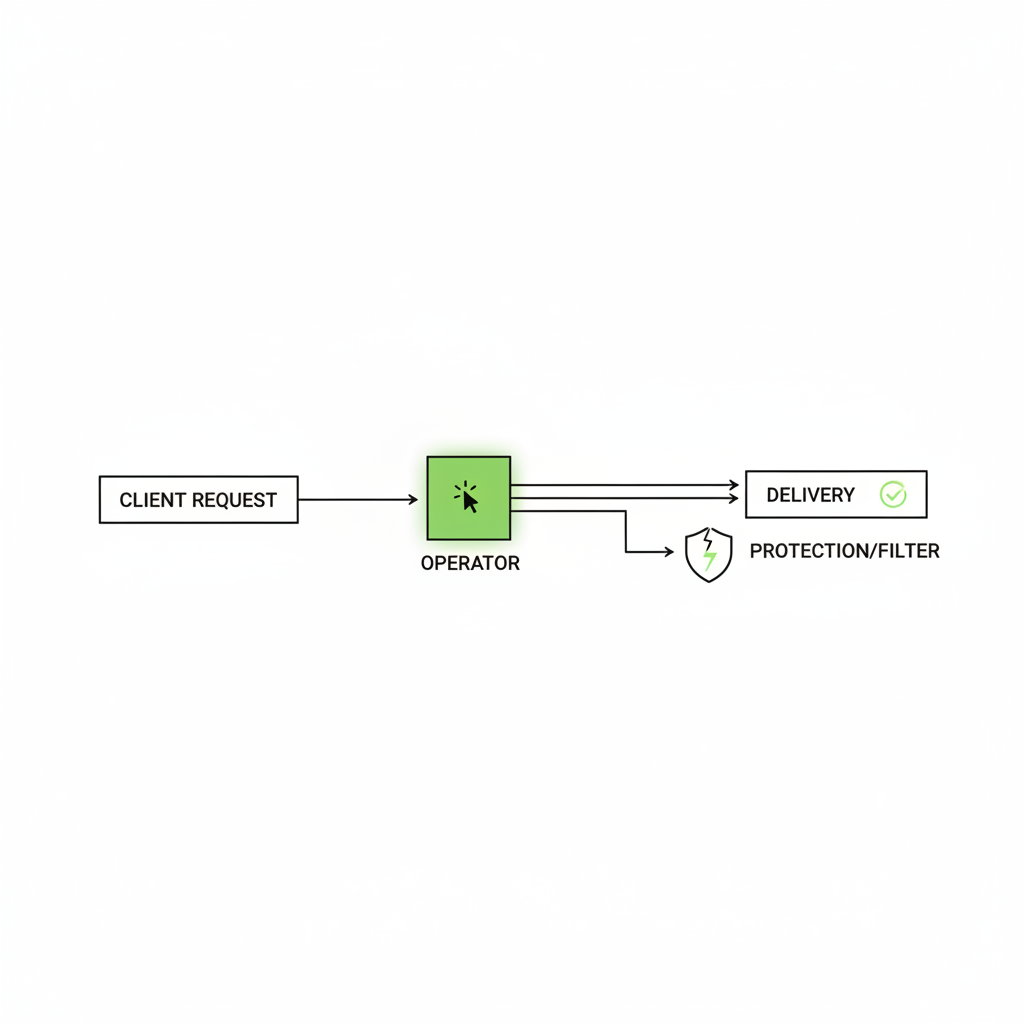
The operator runs the floor. They own the schedule, hold the client relationship together, and spot the glaring typo before the deck goes out. They are the reason work actually ships.
Right now, in the old pyramid model, your best operator is probably miserable. They got into this work to solve problems, and they accidentally became a janitor with a project management title.
The data confirms the burnout. Gallup's State of the Global Workplace 2026 reports poor engagement costs the global economy trillions in lost productivity. Operators spend hours chasing deliverables across six Slack threads and compiling status documents.
When you flatten the structure, the operator gets their actual career back. They reclaim deep work, dedicated client face-time, and final QA where their critical eye truly matters.
I do not get my Friday nights back, but your team absolutely should. Protect the operator and you protect staff retention. In a client business, retention is the metric that quietly compounds year over year.
role 3: the invisible operating layer
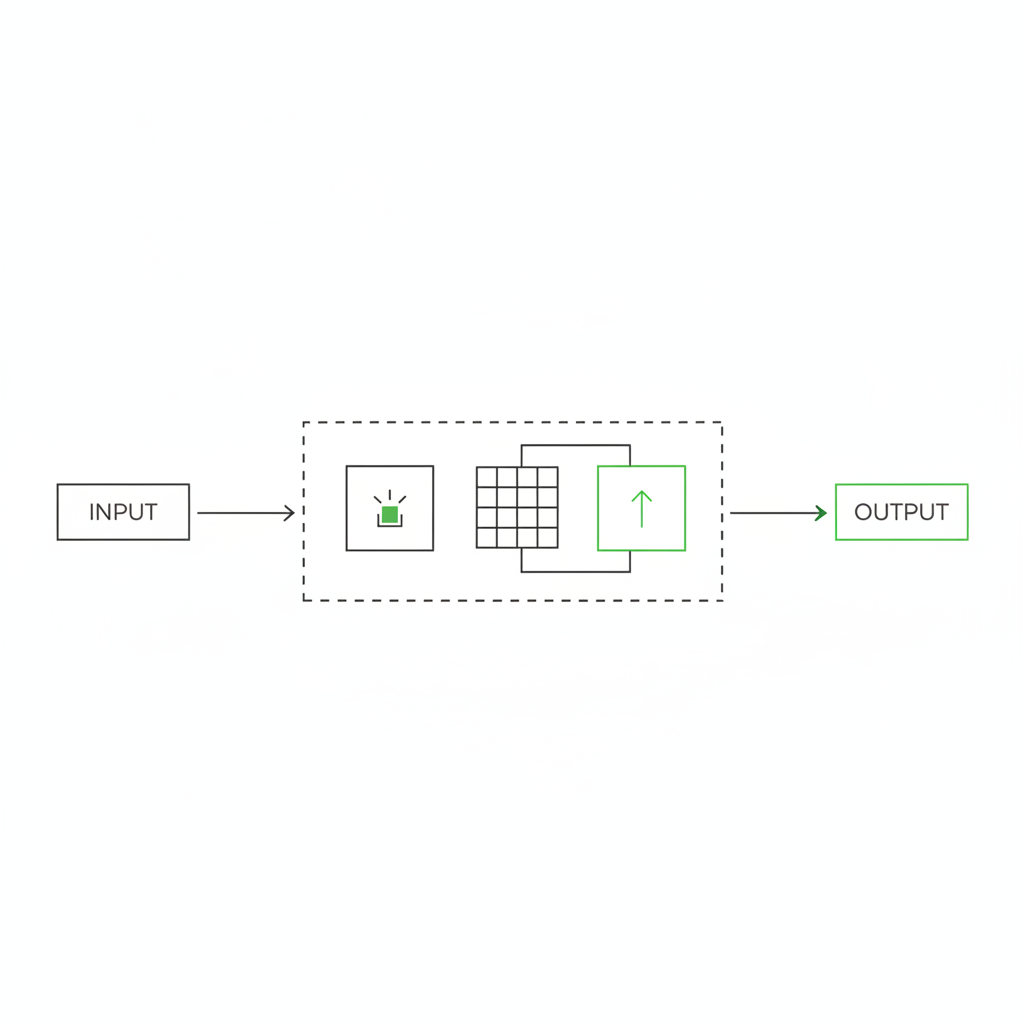
The final and foundational role has no face. It is the automated layer absorbing the rote work.
Here are the workflows it pulls off your team's plate across a boutique B2B shop:
Take the standard proposal. The manual version involves digging through call notes, formatting a scope document, pasting in pricing logic, and chasing a designer for the deck layout.
The installed version reverse-engineers the outcome into a single conveyor belt:
The output is a clean, fully formatted proposal draft with a precise scope summary. It waits quietly in a folder for the strategist to review and sign. The human still holds the pen at the very end.
measuring workflow roi at the ground level
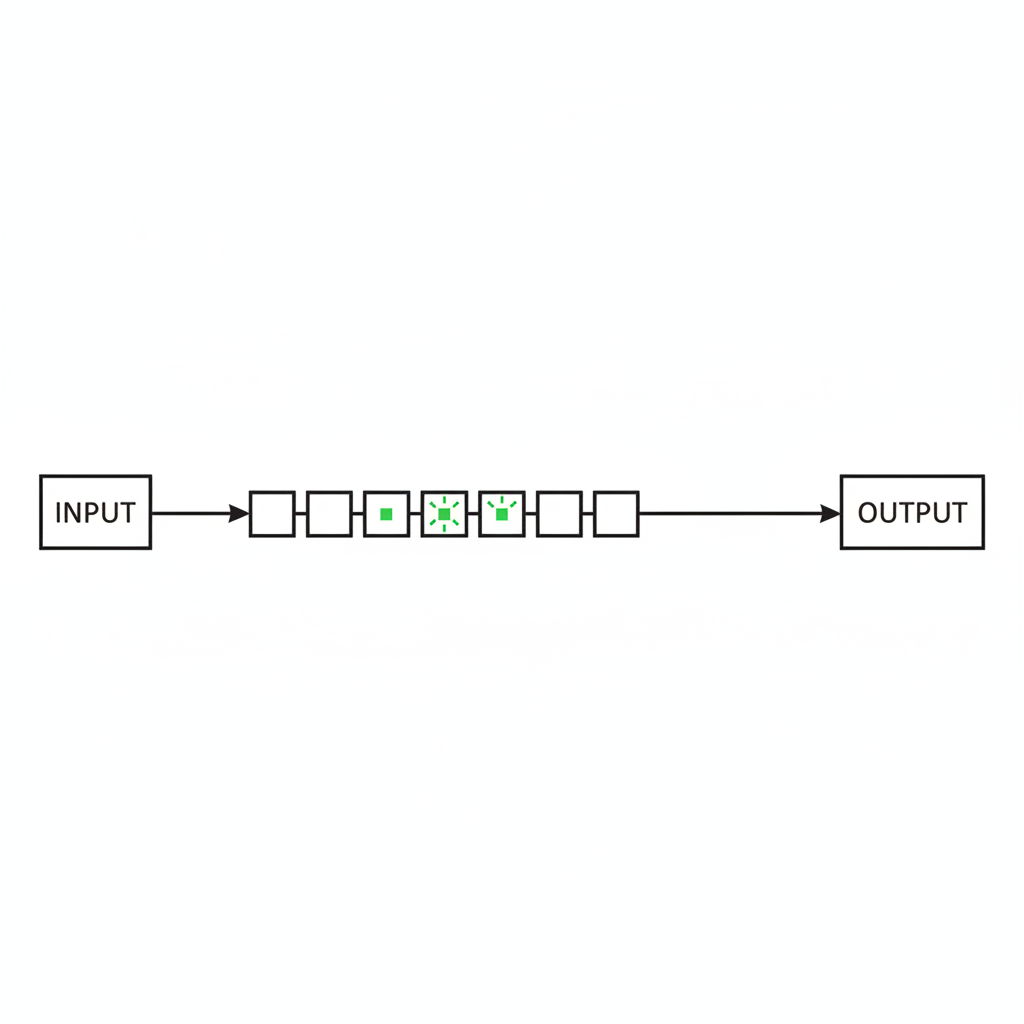
Real ROI requires a baseline. You have to measure the true minutes something takes a human to produce, multiply by their hourly rate, and stack it against the cost of the agent.
Here is the illustrative template math for a standard proposal workflow. Run your own real numbers through these rows to see where it lands.
| annual workflow math | by hand | installed workflow |
|---|---|---|
| annual salary of the role | $90,000 | $90,000 |
| hourly rate (~2,000 hours) | $45/hr | $45/hr |
| hours per run | 3.5 hrs | 0.25 hrs (review) |
| value per run | $157.50 | $11.25 |
| annual cost (100 runs) | $15,750 | $1,125 |
| annual investment | zero | $I (setup + run) |
| net annual savings | baseline | ($15,750 - $1,125) - $I |
The math above shows exactly where margin hides. The net savings are cash kept on the P&L, plus the 325 hours your strategist gets back to handle more clients.
And you do not need to become a certified automation engineer to wire these endpoints up. We build the plumbing quietly in the background so tools talk to each other without asking you to babysit Zapier logic.
We stopped trying to hire a junior project manager. We mapped the onboarding handoff down to the email templates and wired an agent to run it. The output is better than our manual baseline.
Founder, B2B growth consultancy
A modular software stack beats a rigid all-in-one platform every single time. It lets you swap out a language model when a smarter one drops, without waiting on a massive SaaS vendor to update their product.
how to audit the work and build your roadmap
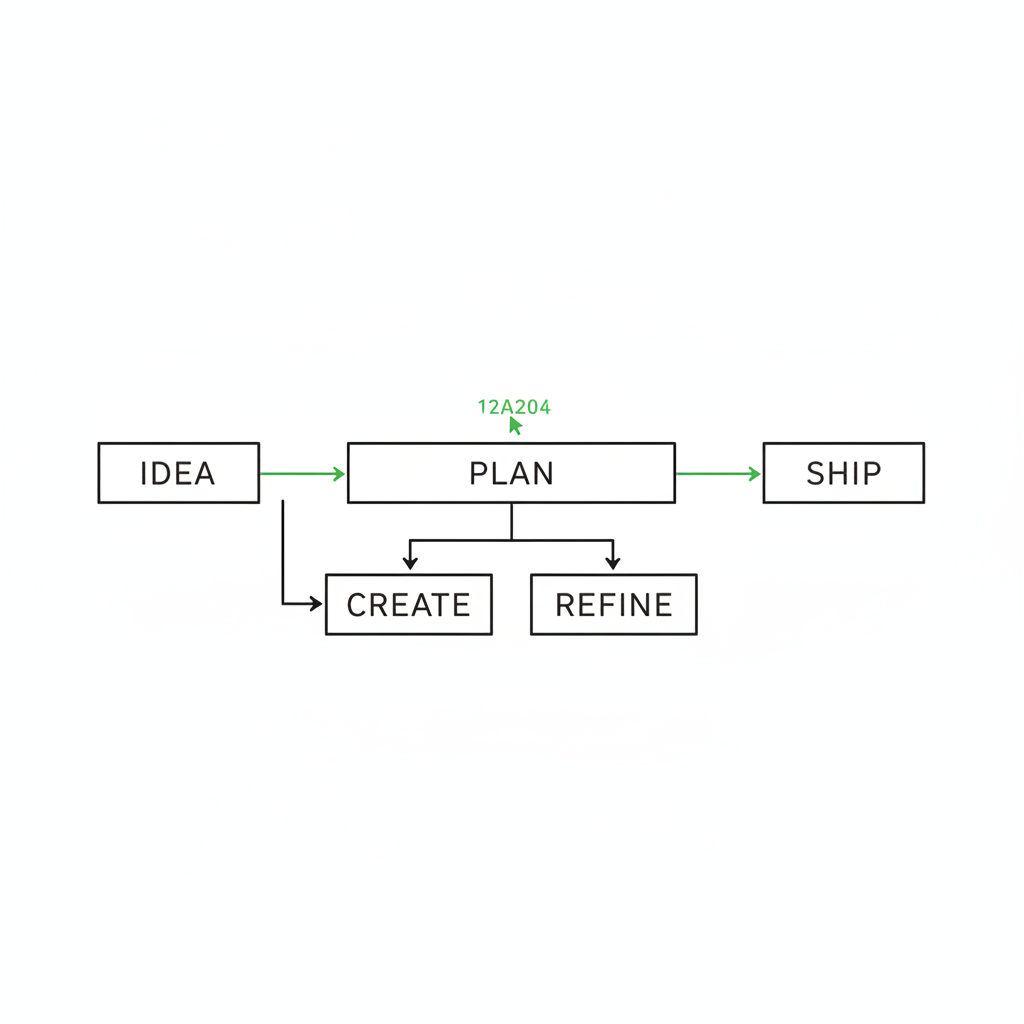
Start small. Install one workflow a week. That is the compounding rhythm teams eventually grow into, and it adds up to 52 specific processes offloaded over a calendar year.
Finding the right thing to automate first is the hard part, honestly. Look for the friction. Pick the specific task you feel faintly embarrassed to admit a senior partner still does by hand. Once you install it, attach a simple monthly scoreboard: track the runs per month, the total hours reclaimed, and how often a human had to step in and fix the output. When the error rate hits acceptable margins, you start the next one.
This is how you bypass the autonomous business trap scaling teams fall into when they push too fast.
Gartner released data in mid-2025 predicting roughly 40% of corporate agent projects will be canceled by 2027. The root causes are escalating scope and vague business value. Scope small and prove the savings in week one, and you dodge that entirely.
The flat agency is more or less an inevitability if you want to keep your margins without burning down your weekends. The old structure was a tax on your growth. Stop paying it.
Pick the single reporting or intake workflow dragging your week down right now. Grab your free roadmap, and I will show you exactly how to get it off your plate.
See you in the trenches.

faq
what is the future b2b agency structure?
It is a flat delivery model built around three core roles. A strategist who sets direction and owns client judgment. An operator who protects delivery flow and relationships. And an AI operating layer that handles all repeatable data work, like onboarding recaps and reporting documents.
does flattening the structure mean firing my current team?
No. Fast adoption relies on expanding the capacity of the experts you already trust. You install software over the low-judgment tasks so your existing team can think, consult, and manage at a higher scale without inflating payroll.
which workflow should an agency automate first?
Start with the highest-friction manual task dragging down your senior talent. For most consultancies, that tends to be discovery-call recaps, proposal assembly, or weekly account reporting. Build it tightly, put a measurement scoreboard on it, then move to the next.
how does this lift output without new hires?
Every hour reclaimed from managing the coordination tax is an hour your team redirects to billable output. As these small workflow automations stack across your agency, the same headcount suddenly ships the volume of a larger agency.