You beat the 2026 agentic AI hype cycle by installing simple client workflows now, not by waiting for autonomous systems. The mechanism is compounding: 1 manual task, 1 automation, saved minutes that stack across your week. The payoff is fewer unbillable hours, and higher revenue per employee, starting this month.
It's 9pm on a Thursday, and the proposal is due at 8am. You have 3 browser tabs open: last quarter's winning deck, the discovery notes, and a blank doc blinking at you.
The pricing table is half-built. The scope section is a bulleted mess you keep reordering. You are stitching this thing together from 4 old proposals and a memory of what the client said they cared about.
This is the second late night this week, and not 1 minute of it goes on an invoice.
We build these workflows with B2B agencies, consultants, and coaches every week, and this is the exact moment they describe. Not the strategy. The 9pm scramble around it.
Here is the bet I keep making, and it holds up: you don't survive the 2026 enterprise hype cycle by waiting for a fully autonomous system to run your delivery team. You survive it by installing 1 narrow workflow today, then another next week. Small installs beat big autonomy.
Enterprise forecasters are selling a future where agents run whole divisions. That is noise for a founder who is CEO and janitor before lunch. Your reality is measured in proposals shipped and follow-ups sent, not multi-agent architectures for the Fortune 500.
So install narrow, stack the wins, and keep both your judgment, and your people.
What the 2026 agentic AI hype cycle is actually selling
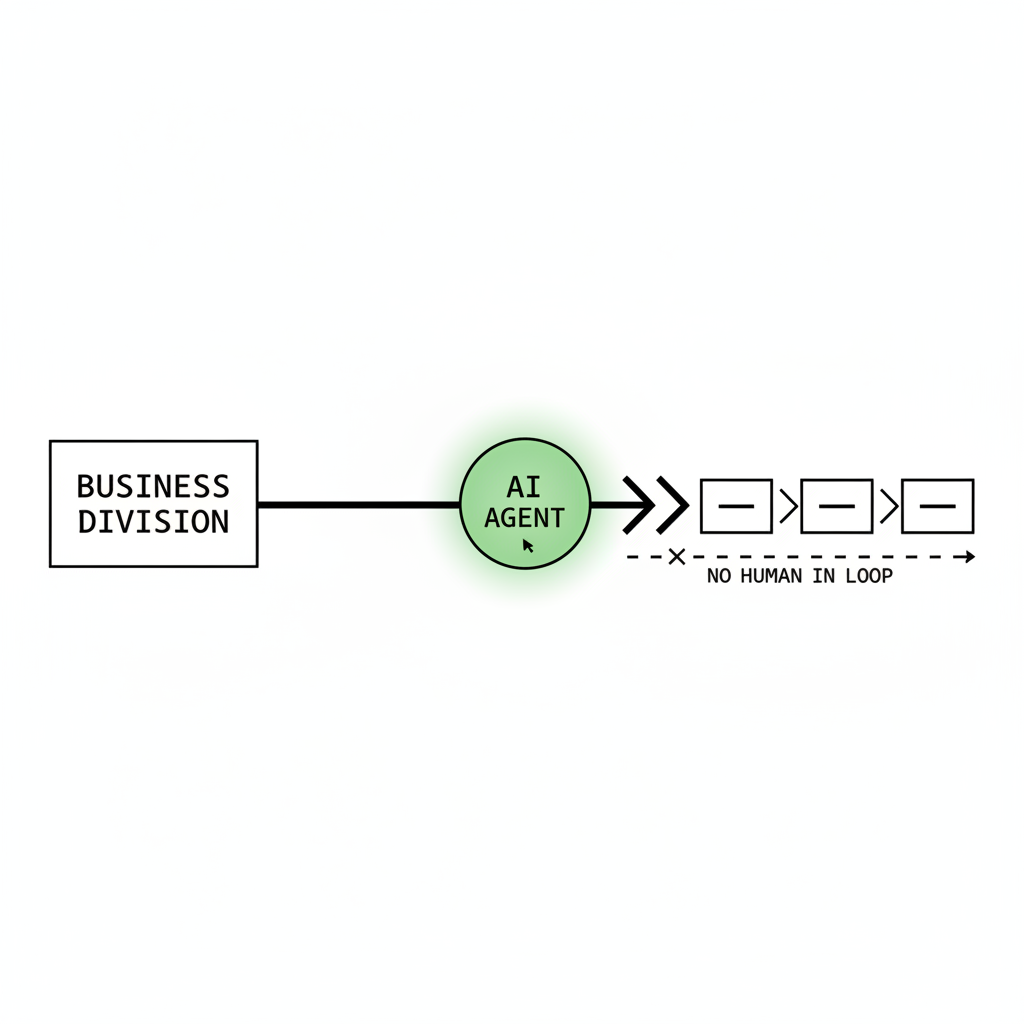
The hype cycle is selling autonomy: agents that run entire business divisions with no human in the loop. It is a real enterprise trend, and I don't want to wave it away, but it is engineered for companies with a thousand seats and a risk committee, not a boutique consultancy shipping client work.
Read the fine print and the story shifts. Even the enterprise pitch, the one dressed up as full autonomy, keeps landing on one word: task-specific. Narrow tasks, not runaway divisions.
Your world runs on deliverables and hours, not conceptual roadmaps. So the useful read of the hype is simple. AI should accelerate your judgment, not replace your team. I break down which of these agentic AI trends your agency can safely skip in 2026 so you can stop feeling behind.
Why AI initiatives die before they reach the P&L
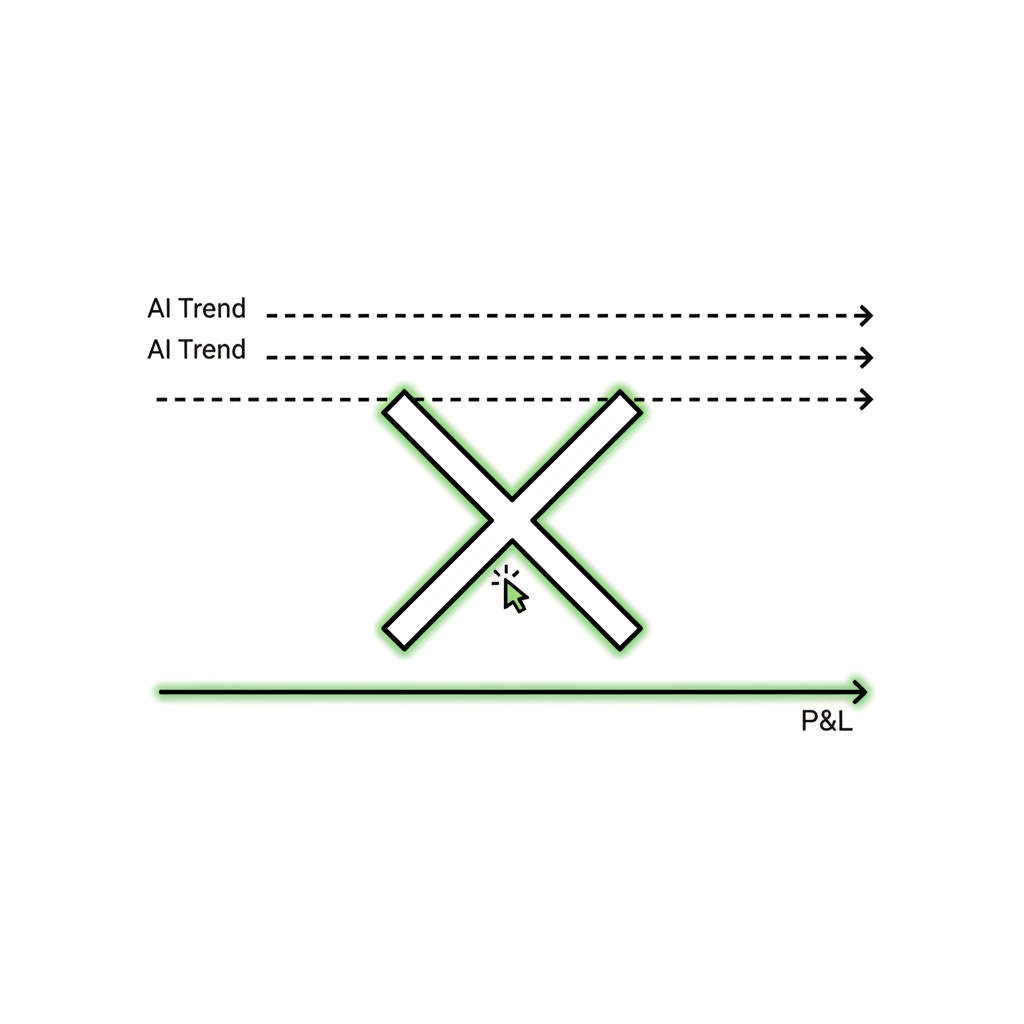
Most AI initiatives don't fail because the model is dumb. The model is smart enough. What breaks is the wiring, the unglamorous work of connecting it to how an agency actually runs, so the automation ends up dying in a browser tab instead of showing up in the P&L.
The evidence is brutal. MIT found roughly 95% of organizations get no measurable P&L return from generative AI, and the gap is installation, not model quality.
The coordination tax is the work around the work: scheduling, discovery follow-up, proposal drafting, and the weekly client update that eats a Sunday. None of it is billable, all of it is required, and it drains the founder who does it at 9pm.
Common wisdom says automate entire roles first: hire an AI account manager, hand it the whole job. Then it wobbles, trust erodes, and you crawl back to manual. What actually works is breaking the role down into its granular workflows and installing 1 at a time. It is the same coordination tax draining your hours, met 1 task at a time.
The workflow compounding method
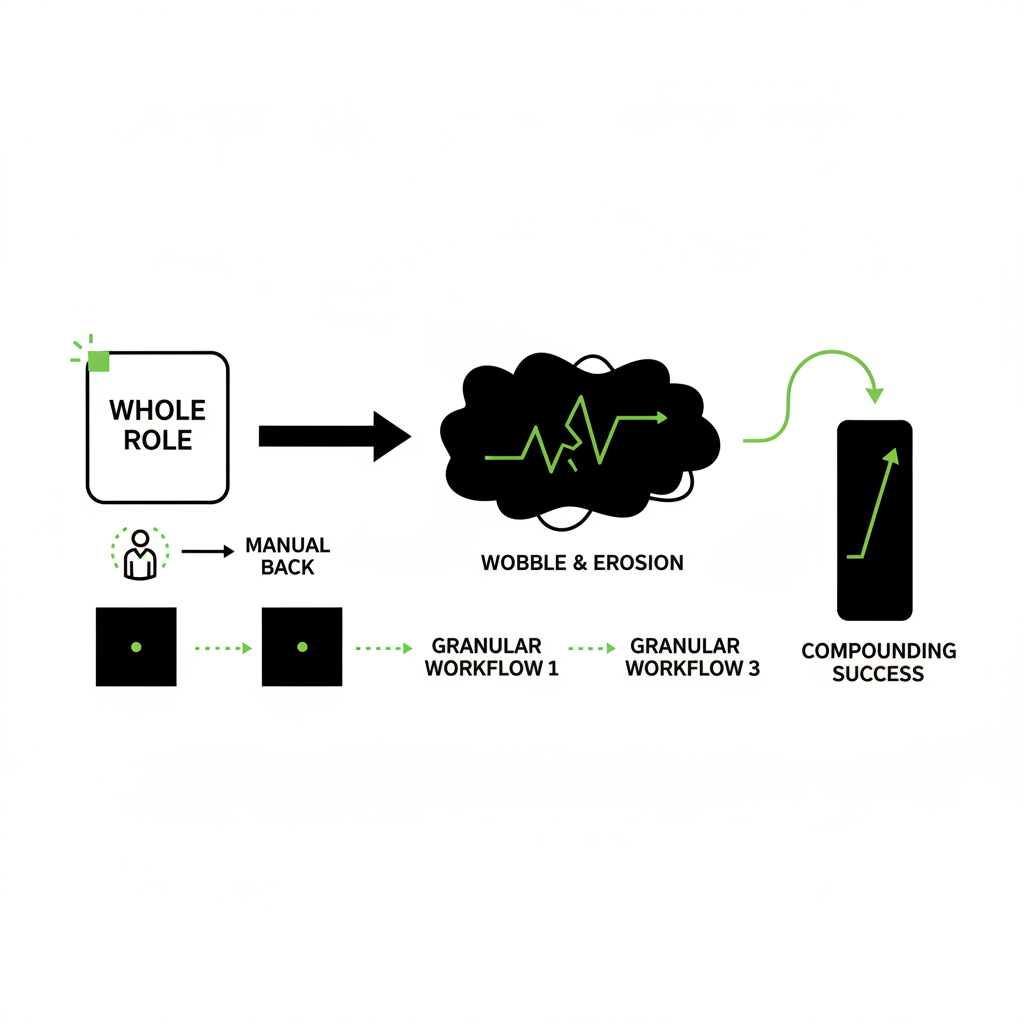
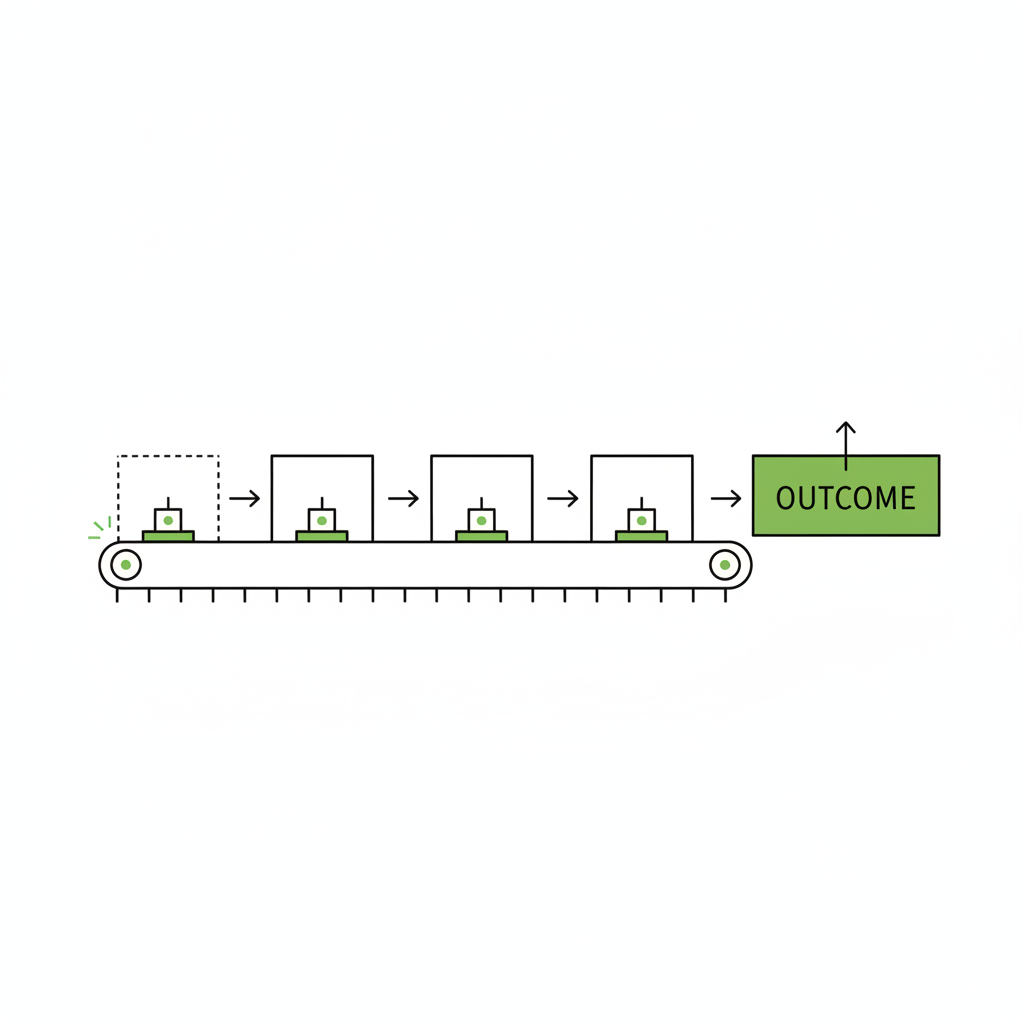
Take 1 heavily manual task. Install an AI automation to run it end to end, put a scoreboard on it, then start the next. Call it the workflow compounding method: saved minutes stack across your week, and each new workflow builds on the last until the whole practice moves faster.
It works like a conveyor belt you assemble 1 station at a time. You start from the outcome you want, a sent follow-up, a drafted proposal, then reverse-engineer every step and tool needed to produce it, and wire those into 1 line that runs without you.
If you keep at it, aim for a steady cadence of about 1 workflow per week. That is 52 a year, each small by design. But the door is 1 workflow, not a transformation.
What 1 workflow is actually worth
Illustrative template math, not a measured result: plug in your own salary and volume. Say the recap eats 45 minutes by hand, and you run it 200 times a year.
| How you get it | Worked example | |
|---|---|---|
| Annual salary of the role | The person doing recaps | $120,000 |
| Hourly rate | Salary / ~2,000 hrs | $60/hr |
| Hours per run by hand | Time it actually takes | 0.75 hr |
| Value per run | Hours x hourly rate | $45 |
| Annual cost by hand | Value per run x 200 runs | $9,000 |
| Annual investment | Placeholder (setup amortized + tools + upkeep) | $2,400 |
| Net annual savings | Cost by hand - investment | $6,600 |
| Hours reclaimed | 0.75 hr x 200 runs | 150 hrs/yr |
Those 150 hours go back into billable work.
And that is the number that quietly decides whether a lean agency prints money or just stays busy, because revenue per employee moves every time you hand a founder back an afternoon that used to vanish into copy-paste.
Each install gets its own scoreboard, runs per month, hours reclaimed, how often you had to fix the output, so impact is measured per workflow, never vibes. I dig into why you install workflows instead of automating roles, with the full model.
Which client workflows to install first
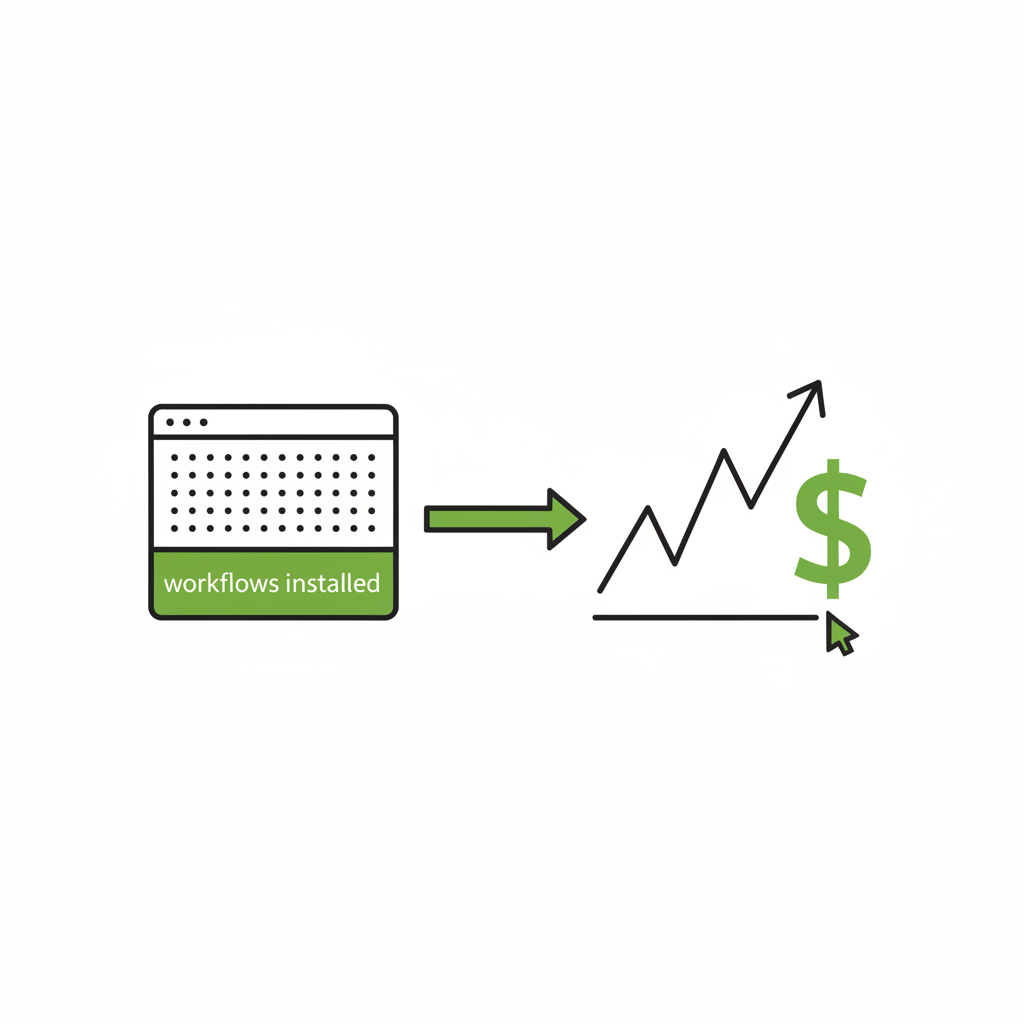
Start where the pain is sharpest and the task is most repetitive: client discovery follow-up and proposal drafting. Both are high-frequency, unbillable, copy-paste heavy, so they're your most profitable first installs. Here is 1, wired concretely.
The discovery recap workflow. The manual version is the same 9pm scramble: finish the call, scribble notes, rebuild the recap from memory an hour later.
- The call transcript comes out of Fathom.
- Make passes the transcript to a current model like Claude.
- Claude pulls out what the client asked for, plus the scope and any objections.
- It drafts the follow-up email and a next-steps summary into your doc template.
- You review, add nuance, and hit send.
Next, proposal drafting. A workflow that references your past quotes and structures the new pitch can reclaim hours of unbillable time per pitch. Want more starting points? Here are 50 AI use cases you can steal today.
Fathom, Make, and Claude in 1 flow is a swap-any-piece modular stack: you change 1 tool without rebuilding the rest, and Mozart wires the plumbing so you never become a Make engineer.
Building an operating layer without losing client trust
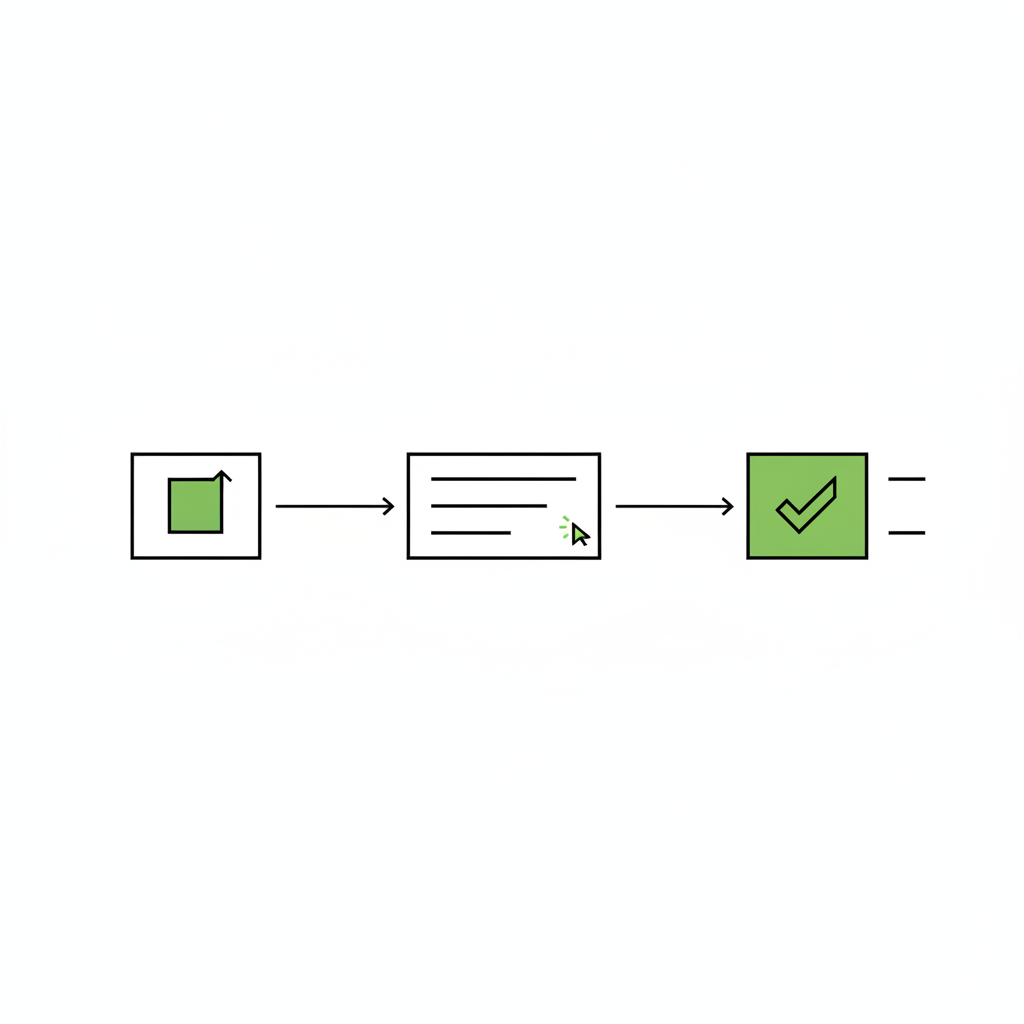
It's 9pm again, the recap draft is sitting in your doc, and the question is whether you trust it enough to send it to a $40k client unread. You don't, and you shouldn't. No agent sends a finalized deliverable to a high-value client without your eyes on it first.
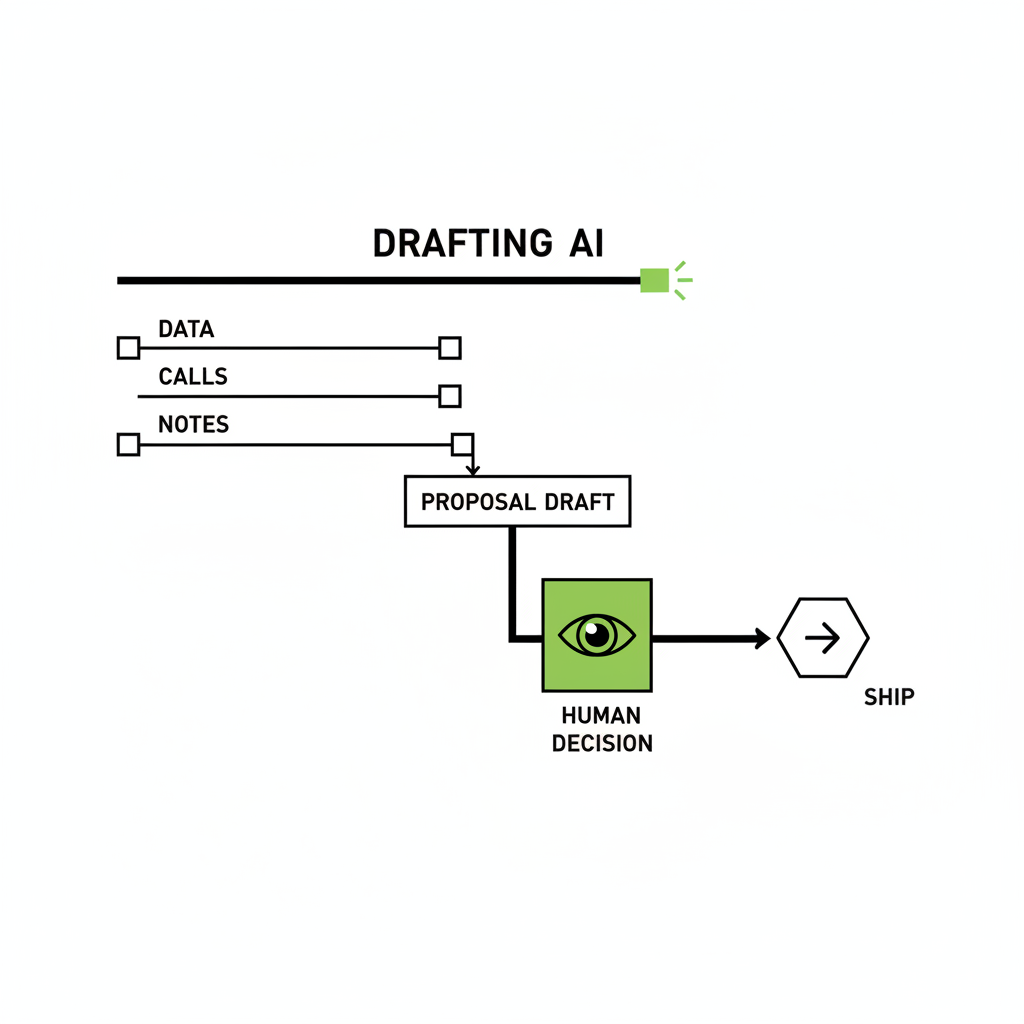
The operating layer does the heavy lifting around the deliverable: organizing data, transcribing calls, drafting notes, formatting the first proposal pass. You apply the judgment and ship.
This is the line between a co-pilot and a runaway agent. The AI drafts. The human decides. I still review every high-value deliverable myself, and honestly, so should you.
| Autonomous agent | Operating layer | |
|---|---|---|
| Drafts the recap | Yes | Yes |
| Formats the proposal | Yes | Yes |
| Sends to client unreviewed | Yes | No, you approve |
| Your judgment on the deliverable | Removed | Preserved |
Honestly, the part founders resist: reviewing a solid draft takes minutes. Writing from scratch takes a lot longer. More on drawing that line in AI workflows vs autonomous agents.
Are you ready to install your first workflow?
Waiting for the perfect autonomous future costs you billable hours today. The founders pulling ahead aren't the ones with the fanciest agents. They're the ones who installed a discovery recap in week 1, and a proposal drafter in week 2.
Next Thursday, when the proposal is due at 8am, the deck can draft a first pass while you sleep, and you wake up to a doc you edit instead of build. That is what 1 install buys you.
When you want the map instead of the guesswork, get your free AI roadmap: 12 quick questions, then I research your agency and build a personalized 90-day plan of the workflows worth installing, in your inbox within the hour.
Start with 1. Put a scoreboard on it. Then come find me for the next 1.

FAQ
So is this just my ChatGPT subscription with extra steps?
Fair question, because on the surface it looks identical. A chat window still needs you to copy the transcript in, prompt it, and paste the result somewhere useful. An installed workflow triggers itself: the transcript lands, the draft gets written, and it shows up in your doc template with nothing to babysit but the final approve-and-send. The surprise for most founders is that the copy-paste, not the thinking, was eating the hour.
I've been burned by an AI tool before, why would this be different?
Most tools sell you intelligence and leave the wiring to you, which is exactly where they die. MIT found roughly 95% of organizations get no measurable P&L return from generative AI, and the failure is installation, not the model. Narrow, 1-workflow installs with a scoreboard on each are how you stay out of that 95%.
I'm slammed already, which workflow do I start with?
Pick the most repetitive, high-frequency, unbillable task on your plate. For most agencies, that is discovery call follow-up or proposal drafting. Counterintuitively, the smallest task is the right one to start with, because a fast win you can measure is what earns you the nerve to install the next.
Will clients know an AI touched their deliverables?
This is the fear that keeps founders manual, and it is usually misplaced. The operating layer drafts and formats behind the scenes, then you review, add nuance, and ship. What clients notice is faster turnaround with your judgment intact, which usually reads as you getting sharper, not as a bot in the loop.